

How does snow melt when temperatures are still below freezing?
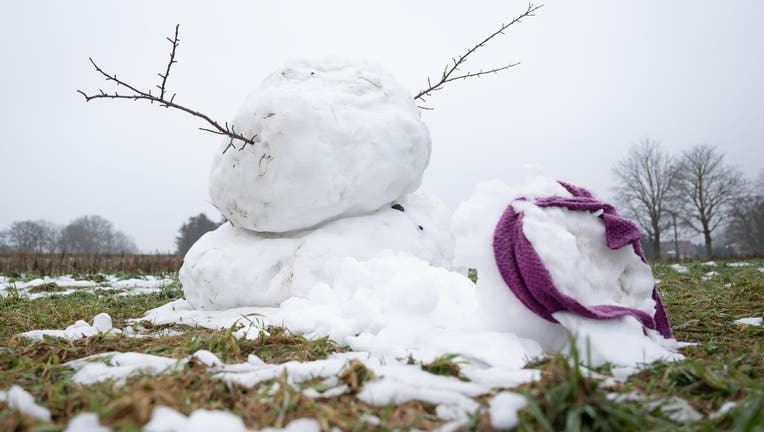
26 January 2023, Saxony, Ottendorf-Okrilla: A snowman melts on a meadow. Photo: Sebastian Kahnert/dpa (Photo by Sebastian Kahnert/picture alliance via Getty Images)
PHILADELPHIA - Snowfall and cold temperatures are familiar parts of winter, but sometimes — even when the thermometer reads below freezing — snow and ice still melt. Meteorologists say this happens because air temperature is only part of the story when it comes to how snow behaves on the ground.
Why snow can melt below freezing
It’s not just about the air temperature
Most people are taught that snow melts at 32°F (0°C), but that’s strictly true only for pure ice under controlled conditions. In the real world, snow and ice can melt even when the air temperature is below freezing because of other energy sources that add heat to the surface, according to reporting from FOX Weather.
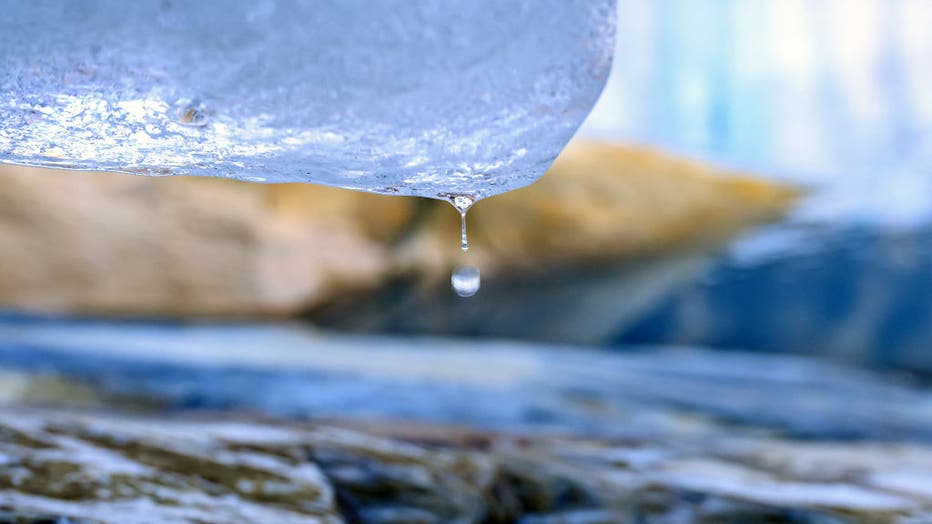
Water drips from a section of the melting Grinnell Glacier in Glacier National Park, Montana, on October 19, 2023. (Photo by JOSH EDELSON / AFP) (Photo by JOSH EDELSON/AFP via Getty Images)
FIND THE LATEST WINTER WEATHER FORECAST HERE
Key factors that make snow melt when it’s cold
1. Sunlight (solar radiation)
Even if the air is frigid, sunlight can still warm surfaces. Snow reflects a lot of light, but it also absorbs heat from the sun, especially on sunny days. That energy goes into the snowpack and causes particles to melt.
This is why you might see patches of snow disappear on a cold, sunny day while shaded areas stay white and icy.
2. Warm ground or pavement
Ground surfaces — especially roads, sidewalks and driveways — may retain heat after a warm spell or from heat conducted from below the surface. When snow lands on warmer pavement, it begins to melt from underneath, even if the air remains below freezing.
This effect is especially noticeable in cities where asphalt and concrete absorb and retain heat.
3. Wind and humidity
Wind can mix warmer air down to the surface and speed evaporation, which removes cold air from the snow’s surface. Additionally, moist air transfers heat differently than dry air, which can help snow melt more quickly even at temperatures below freezing.
4. Black or dark surfaces
Dark objects absorb more sunlight and heat up more than light surfaces. A dark car hood or roof, asphalt parking lot or wet pavement can quickly warm and contribute to melting snow nearby, even if the air is cold.
Stay connected with FOX LOCAL. For 24/7 winter storm coverage—Download Now.
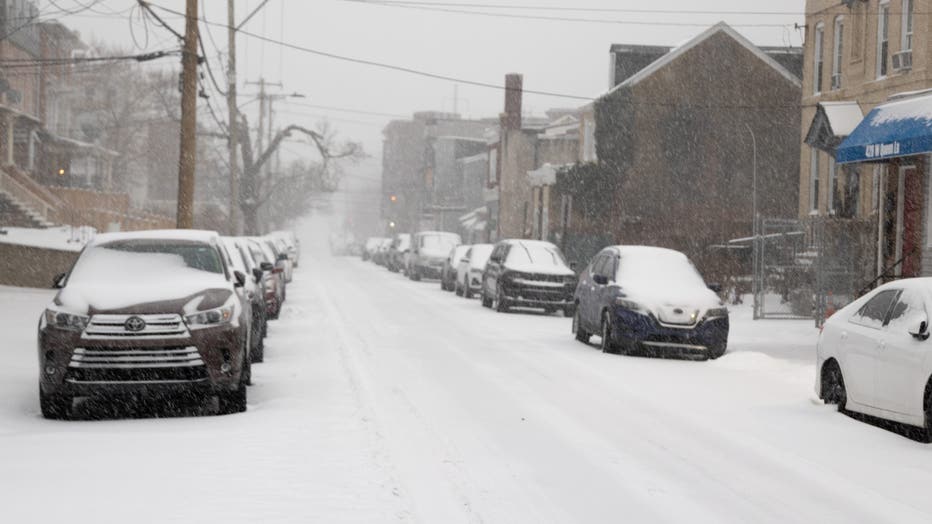
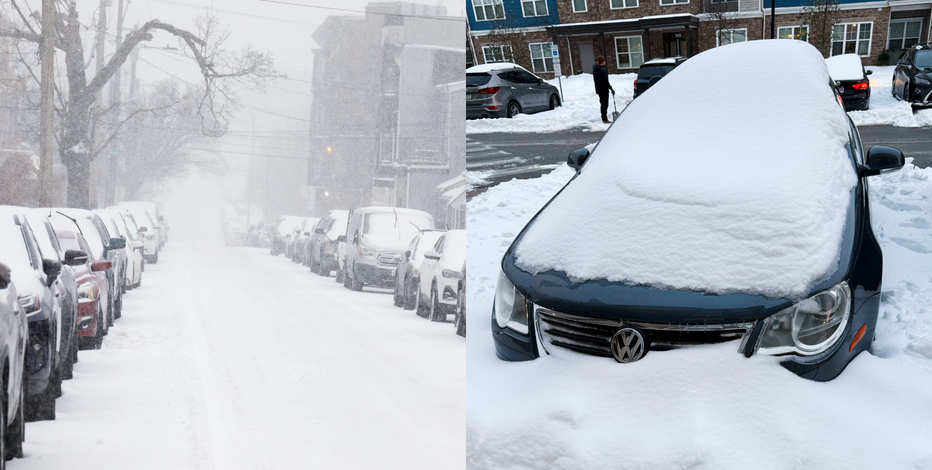
Cars in snow in January 2026. (Photo: Tyler Thrasher, FOX)
How this matters in winter weather
Thaw cycles and travel
These effects explain why snowpack sometimes slushes, thins or melts on sunny, cold days, or why snow melts faster on roadways than in the air.
They also play into freeze-thaw cycles, where snow melts during the day and refreezes at night, creating slick spots that can make travel more hazardous.
RELATED: What is a nor’easter and a bomb cyclone? How major East Coast winter storms form
What is snowpack?
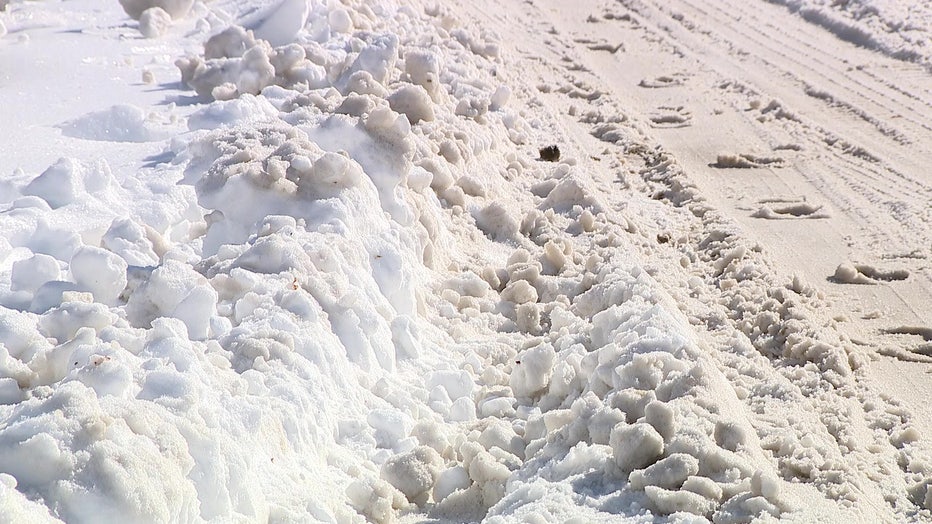
Snowpack is the layer of snow that builds up on the ground after repeated snowfall and doesn’t immediately melt. Instead of acting like fresh, fluffy snow, snowpack becomes more compact over time as snowflakes compress, partially melt, refreeze and trap air.
This layered structure helps explain why snow can linger for days or weeks, even when daytime temperatures rise or sunshine returns, according to National Geographic. Snowpack also plays a key role in winter travel conditions, since it can slowly melt during the day and refreeze overnight, creating icy or slushy surfaces.
The takeaway
Air temperature is important, but it’s not the only driver of snow melt. The sun, surface heat, wind and humidity all contribute energy that can cause snow and ice to melt even when thermometers say it’s below freezing.
That’s part of why winter weather behavior can feel unpredictable: a mix of factors controls whether snow stays, slush forms, or streets clear naturally.
Featured
Clearing snow and ice off your car? Here’s what not to do to avoid damage
Digging your car out after a snowstorm can feel like a race against time, but experts say rushing, or using the wrong tools, can end up causing expensive damage to your vehicle.
Stay ahead of the snow with FOX 29’s expert meteorologists, streaming LIVE on FOX LOCAL. Get the latest on the forecast, snow potential, and preparation tips. Download FOX LOCAL for 24/7 weather coverage on your smart TV and mobile devices.
The Source: This article was written using information from Fox Weather, National Geographic and official meteorological science on snowmelt and winter weather dynamics.