

Dog poop in Philadelphia area: Melting snow leaves behind hidden health hazards
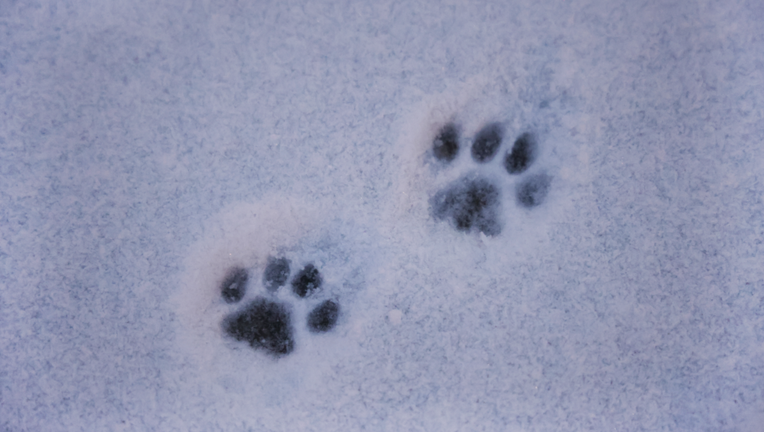
PHILADELPHIA - As snow from late January storms finally melts across the Northeast, people living in Washington, Philadelphia and New York are confronting what had been buried underneath for weeks: dog poop left behind on sidewalks and streets.
Across neighborhood forums and Reddit threads, residents are posting photos and complaints about sidewalks littered with pet waste that had been buried beneath snow for weeks.
But this isn’t just about aesthetics.
Why it’s more than just a mess
According to the U.S. Environmental Protection Agency, pet waste is considered an environmental pollutant. When left on the ground, rain or melting snow can wash bacteria and parasites into storm drains and waterways.
Dog feces can contain harmful organisms including E. coli, salmonella and parasites such as roundworms and hookworms. These contaminants can pose risks to humans — especially children — and other animals.
In Washington, D.C., the District Department of Energy and Environment notes that pet waste contributes to water pollution when not properly disposed of, as stormwater systems in many cities flow untreated into rivers.
In other words: once the snow melts, that waste doesn’t just disappear.
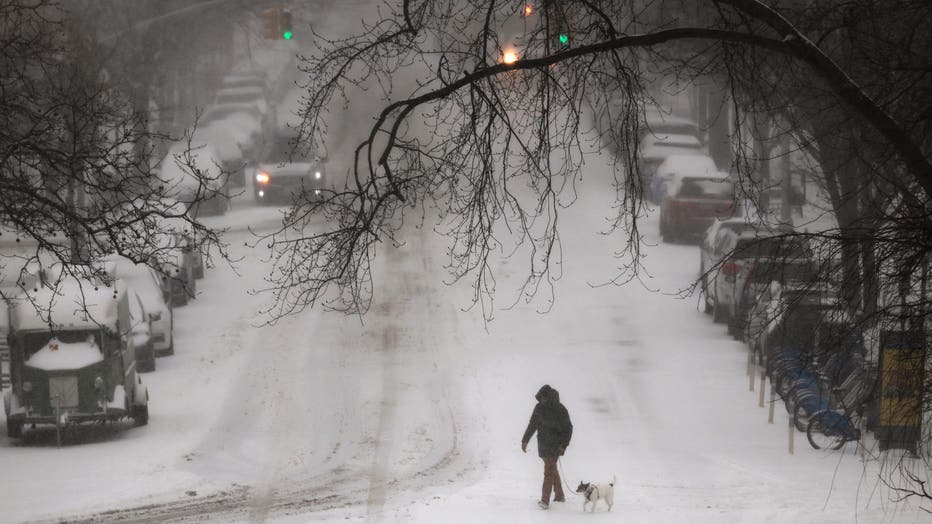
NEW YORK, NEW YORK - JANUARY 25: A person walks a dog in the snow in Brooklyn as a major winter storm moves through the area on January 25, 2026 in New York City. (Photo by Spencer Platt/Getty Images)
What residents are saying
In Washington, D.C., neighborhood forums have filled with posts criticizing dog owners for failing to clean up during snowstorms.
Similar complaints have surfaced in Philadelphia, including posts about areas like Manayunk and other high-foot-traffic neighborhoods. New York residents have voiced the same frustrations after recent storms.
Many of the posts echo the same question: "Did people assume the snow would simply take care of it?"
Who is responsible?
In all three cities, pet owners are legally required to clean up after their animals.
- In Washington, D.C., pet owners must remove and properly dispose of animal waste from public and private property not their own.
- In Philadelphia, city code requires dog owners to pick up waste immediately and dispose of it properly.
- In New York City, the Department of Sanitation enforces what’s commonly known as the Pooper Scooper Law. Under the law, dog owners are required to clean up after their pets in public spaces. Failing to do so can result in fines of up to $250.
Municipal sanitation departments are generally responsible for street cleaning, but they are not tasked with individually removing pet waste left on sidewalks. Enforcement typically falls to animal control or local authorities when violations are reported.
In short: the responsibility falls on dog owners — not the city.
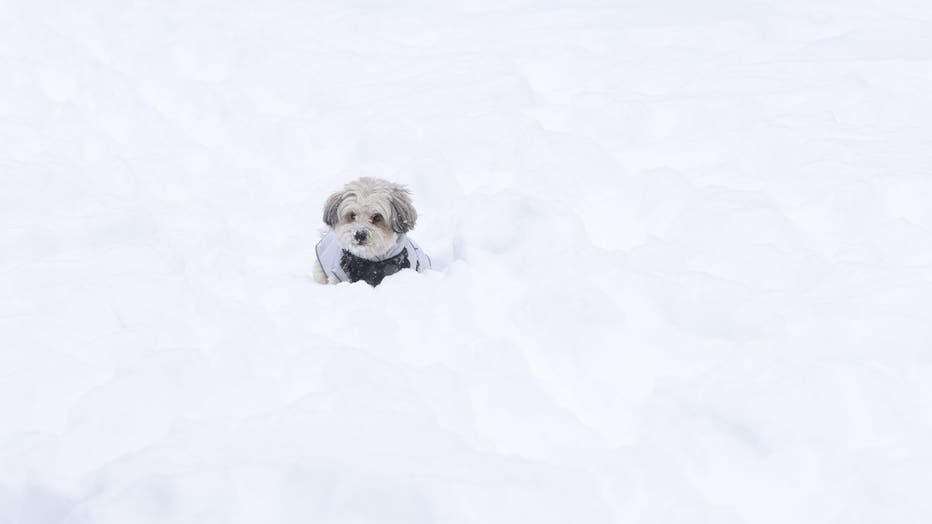
TORONTO, ON - January 15 - A small dog searches for a thrown stick in the snow. (Lance McMillan/Toronto Star via Getty Images)
Why does this happen after snowstorms?
Experts say snow creates a behavioral loophole.
During heavy snowfall, some pet owners may assume waste will remain buried or that cleanup can wait. Others may struggle to locate waste under deep snow or icy conditions.
But when temperatures rise — like they have in mid-February — the result can be weeks’ worth of accumulated waste suddenly visible at once.
The freeze-thaw cycle also prevents natural decomposition, meaning what was left behind in early February may look nearly unchanged once the snow melts.
The health and environmental impact
Beyond being unpleasant, concentrated pet waste can:
- Contaminate runoff that enters rivers and streams
- Contribute to bacteria levels that affect water quality
- Create unsanitary walking conditions in dense urban areas
Environmental agencies consistently warn that pet waste should be bagged and disposed of in trash bins — not left on sidewalks, in parks or near storm drains.
What you can do:
Experts recommend:
- Always carrying extra waste bags during winter walks
- Fully removing waste, even in snow or icy conditions
- Disposing of bagged waste in trash receptacles — not storm drains
- Reporting chronic problem areas to local sanitation or animal control
- As winter loosens its grip across the Northeast, cities are once again confronting a familiar seasonal issue.
The snow may be gone, but the responsibility isn’t.
The Source: This article was written using environmental guidance from the U.S. Environmental Protection Agency, the D.C. Department of Energy and Environment, municipal regulations in Philadelphia and New York City, and community discussions from residents in affected neighborhoods.