

Mayor Parker proposes ride share and delivery taxes in $7B budget plan
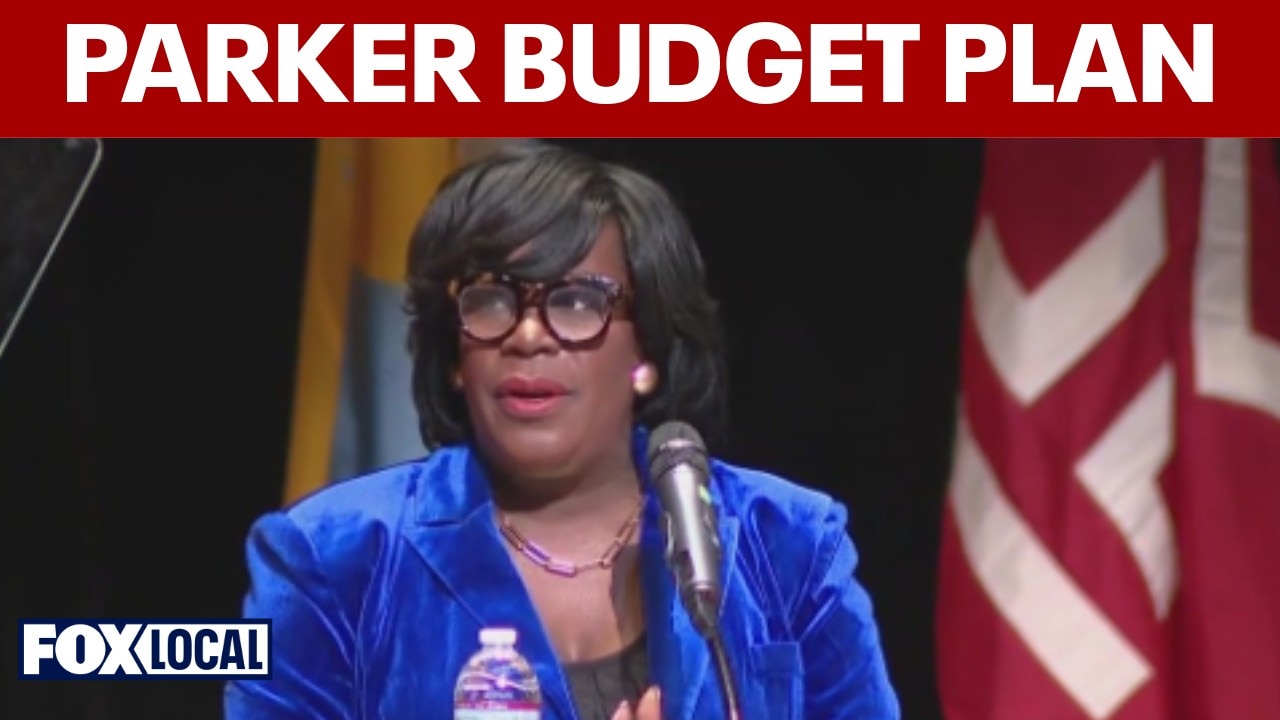
Mayor Parker proposes ride share and delivery taxes in $7B budget plan
Mayor Cherelle Parker has announced a $7 billion budget plan for fiscal year 2027 that includes new taxes on ride share trips and retail delivery orders, aiming to generate millions for schools and road improvements.
PHILADELPHIA - Philadelphia Mayor Cherelle Parker has unveiled a $7 billion budget plan for fiscal year 2027 that includes new taxes on ride-share trips and retail deliveries.
The proposal aims to generate millions of dollars to fund public schools and improve city roads.
Ride-share tax to benefit schools
The proposed Transportation Network Company Tax would add 20 cents to every ride-share trip that begins in Philadelphia through apps like Uber and Lyft. Mayor Parker said the tax could bring in more than $9.5 million annually, with all funds earmarked for the School District of Philadelphia.
What they're saying:
Some residents welcome the additional funding but question whether taxing ride-shares is the right solution.
"I think it’s kind of crazy. We’re already taxed enough, I feel like," Monika Slawow of Fishtown told FOX 29.
Ride-share users and drivers are also concerned about higher costs.
Dallas Rico of Brewerytown noted, "It’s already expensive. They’ve already increased the prices, so that would be a challenge for sure."
Uber driver Cashae Harville added, "It’s great for the school district, but I do worry about the actual residents who can’t afford that increase. I wonder how it’s going to affect them."
Retail delivery tax to fund road repairs
A separate Retail Delivery Tax would add 25 cents to certain delivery orders within the city, excluding essentials such as food, baby products and medication. Mayor Parker said the tax would be levied on retailers—not individual consumers—and is expected to generate $15 million annually for road repairs.
While the funds would support infrastructure, some residents worry about economic impacts.
"Taxing retail shopping where there’s already a dip in that market is only going to create more issues for a lot of retailers. I’m also for fixing potholes, so I don’t know," Slawow added.
Next steps and timeline
What's next:
If approved by Philadelphia's City Council, these taxes would take effect on July 1, 2027.
The City Council will begin budget hearings on March 24, with a final decision required by June 30. The outcome will determine whether the proposed taxes move forward and when they might be implemented.
Mayor Parker emphasized that businesses that rely on city streets for deliveries will be asked to help maintain them.
"The tax will be charged to retailers, so we’re not charging individuals. We’re talking about the retailers—businesses that rely on our streets for deliveries. Very simple—they’ll have to help us maintain them," she said.
The Source: Information from Philadelphia Mayor Cherelle Parker's budget plan and interviews with Philadelphia residents.