

Speed cushions near Philadelphia schools improperly installed: City Controller
PHILADELPHIA - Nearly all the speed cushions near city schools were improperly installed, according to a report by the Philadelphia Controller's Office.
The review comes after residents across the city voiced their concerns about the speed cushions.
What we know:
Officials found 95% of the speed cushions exceed the maximum grade, or slope, that is recommended by state and federal transportation guidelines. Some of the speed cushions had slopes two-to-three times the safety recommendation.
Just two of the 140 speed cushions in question met the proper height and ramp length dimensions specified in the contract blueprints, according to the city.
Featured
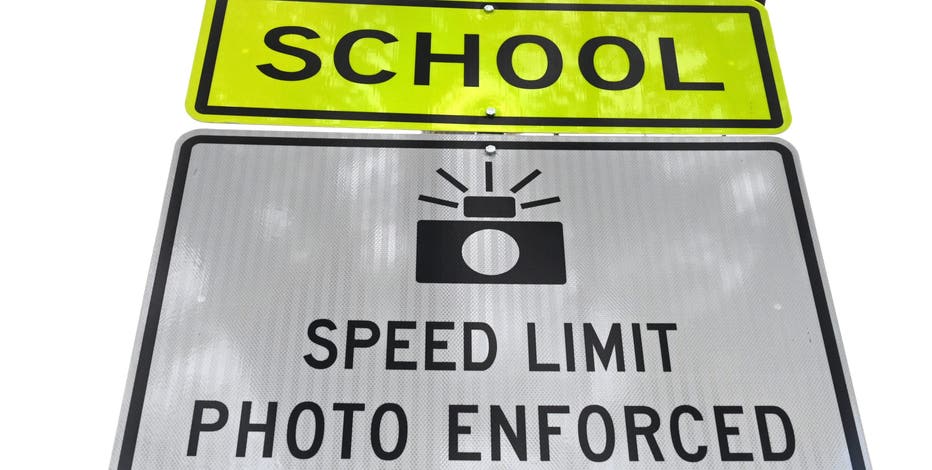
School zone speed cameras coming to 5 Philadelphia locations after crash data review
The Philadelphia Parking Authority is rolling out a new school-zone speed camera pilot program at five locations, with a 60-day warning period beginning Feb. 17 and full enforcement set for April 20.
"Speed cushions with excessive grades may be steeper than intended for school-zone traffic, increasing the risk of vehicle damage, loss of control, and impediments to emergency vehicles, even when drivers are traveling at posted speed limits," said City Controller Christy Brady.
Engineers found "widespread discrepancies" between the design and installation of the speed cushions put in place between 2023 and 2025.
What they're saying:
Each speed cushion is estimated to have cost $51,000 per school, which adds up to more than $2.2M, according to the city.
The speed cushions were part of the city's Vision Zero initiative, which aims to eliminate traffic-related deaths and serious injuries.
"Traffic calming measures, like speed cushions, are meant to protect pedestrians in our communities – particularly children in school zones," Brady said. "But that goal is undermined when installations don't meet design standards."
What's next:
Brady called on the city to "bring existing speed cushions into compliance with safety standards or seek restitution from the vendors who installed the ones that do not conform."
"Ensuring compliance with engineering standards is critical to achieving the safety goals of Vision Zero while avoiding unintended risks to residents," Brady said.