

Hainesport homeowners told to remove dead birds as avian flu suspected in NJ
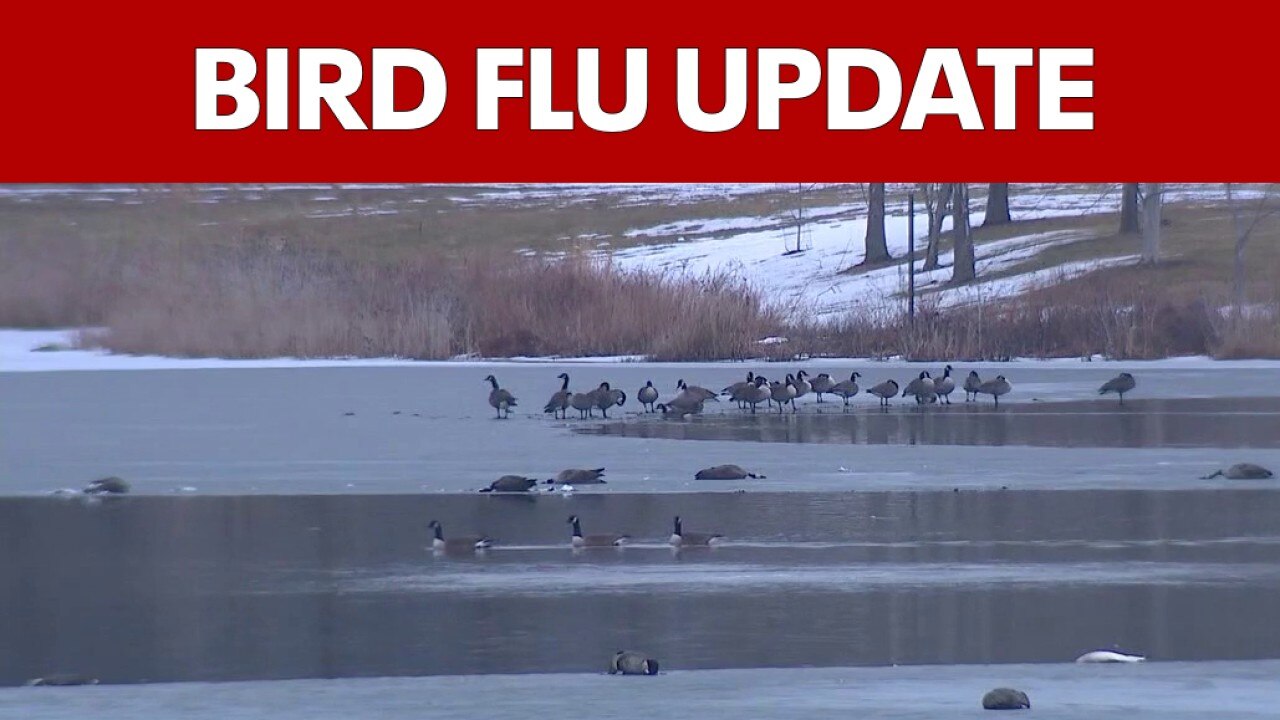
Homeowners told to remove dead birds as avian flu suspected in NJ
Homeowners in Hainesport are being told to clean up dead birds on their private lakefront properties as New Jersey state officials investigate a wave of suspected bird flu.
HAINESPORT, N.J. - State officials are investigating a wave of more than 1,000 sick or dead birds reported across New Jersey, with avian influenza suspected as the main cause, and homeowners in Hainesport are being told to clean up dead birds on their private lakefront properties.
Homeowners face cleanup challenges along private lake
What we know:
The state Department of Environmental Protection says it has received reports of more than 1,000 sick or dead birds statewide since last weekend, with Burlington County among the hardest hit areas.
Officials believe avian influenza, or bird flu, will likely be confirmed as the reason for most of the deaths, though test results are still pending.
"We know that this winter has been hard on many birds, we’ve had starvation events in several species, but for many of these large events involving Canada Geese, Avian Influenza is certainly very high in our suspicion," said Dr. Patrick Connelly, State Wildlife Pathologist with the New Jersey Department of Environmental Protection Fish and Wildlife.
Residents living near the private lake in Hainesport have been told that the township will not receive any state help with removing the dead birds, and it is their responsibility to safely remove any dead birds that wash up on their properties.
This comes even as state officials advise the public to avoid contact with sick or dead birds.
Some homeowners say they have already removed several dead geese from their yards.
"I’ve probably cleaned up about six or seven dead ones out of my yard, so it’s disturbing, it’s concerning," said Jeff Kinney, a neighbor. "We saw a bald eagle eating a dead goose the other day, which is obviously not good ,and then there’s foxes, there’s deer," said Kinney.
The state says birds that die on the water will be left to decompose and sink. The risk to the general public is considered low, according to officials.
Local perspective:
Deputy Mayor Karen Tordy of Hainesport said the township has been told they will not receive assistance with the cleanup and should use protective gear if they choose to remove dead birds. "I think we are at the bottom of the totem pole because it’s a private lake," said Tordy.
Kinney said he is worried about the safety of his dog and the ongoing presence of geese.
"How’s it going to end? What’s next? There’s still geese coming in every day, it’s not going away, so I hope someone comes in and at least cleans up the carcasses on some kind of frequent basis," said Kinney.
Officials say the flu is mainly spread through birds gathering, and Canada geese are especially vulnerable.
It can also spread through animals eating dead birds, though that is less common. It is not clear if the virus can spread through bird feces, but officials recommend avoiding it as a precaution.
The backstory:
Dr. Connelly said these types of outbreaks are not new for New Jersey.
"During the winter months we often see these cases increase, but it is certainly not something that is necessarily new this is something that we’ve been dealing with for a few years in New Jersey," said Connelly.
Deputy Mayor Tordy described seeing birds flying overhead and hoping they would avoid the lake.
"Yesterday I saw a ‘v’ in the sky and I’m like, ‘Oh God bless you birds, I hope you don’t go to the lake, and there’s not much we can do," said Tordy.
State officials say cases usually peak from January through March and tend to drop off by spring. They are asking residents to continue reporting any sick or dead birds.
What we don't know:
Test results confirming avian influenza as the cause of the deaths are still pending, and it is unclear if the situation will worsen before improving, according to state officials.
The Source: Information from the New Jersey Department of Environmental Protection, interviews with local residents and officials.