

You may be owed a tax refund from COVID: Here's how to get it

Tax Tips For Tax Season
Tax season is upon us and there are some changes you need to know about before you file. Accountant and small business advisor Chantel Price is in the studio to tell us about how you can make the most out of your tax refund.
The COVID-19 pandemic has emerged as a tax season talking point more than six years later, but now it could benefit taxpayers.
What we know:
Millions of Americans could qualify for a refund from the Internal Revenue Service (IRS) under tax code Section 7508A9(d), which mandates postponement of applicable tax deadlines during a federally declared disaster period, plus 60 days.
The new tax deadline for tax year 2019, 2020, 2021 and 2022 filings would have been July 10, 2023, under a federal court ruling this past November.
So, any person or business charged penalties or fees by the IRS between Jan. 20, 2020, and July 10, 2023, may be owed a refund. However, the IRS could appeal the ruling.

Where is my tax refund in Pennsylvania? How to check your status
If you’re asking where your Pennsylvania tax refund is, here’s how to check the status of your state and federal returns.
Filing deadline
What they're saying:
Experts say taxpayers legally only have a limited time to file for a potential refund or reduction in penalties or interest due to the statute of limitations for refund claims.
"Millions of taxpayers could be eligible, but if people don’t file claims before July 10, 2026, they lose out on the potential for a refund or abatement," Jon Wasser, partner at Fox Rothschild who focuses on tax issues, told USA Today.
If the IRS is ordered to issue refunds, filing a claim by the deadline preserves your right to claim your refund.
Tax scams on the rise in 2026: What you need to know
The Internal Revenue Service released its 2026 Dirty Dozen list of tax scams, warning taxpayers about schemes that threaten personal and financial information.
Claiming the refund
What you can do:
Taxpayers should check their IRS tax transcript for payments, penalties and interest within the disaster window to determine if they could be eligible for a refund.
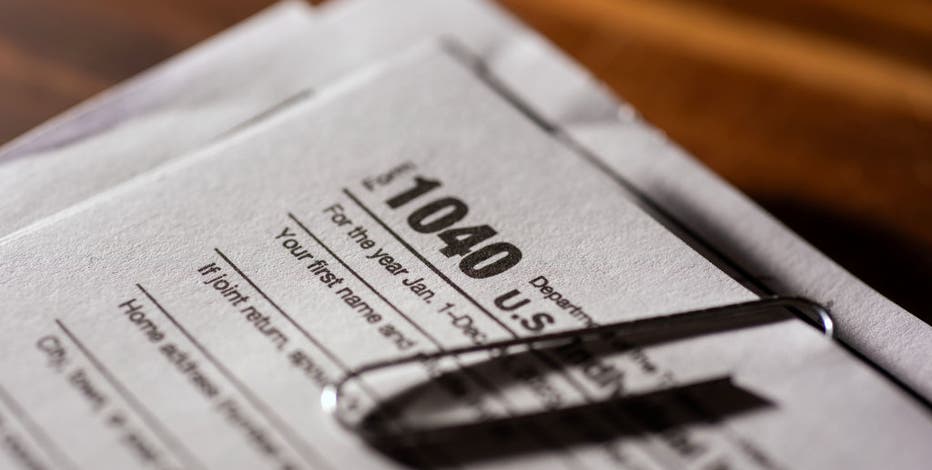
To claim the refund, taxpayers must file IRS Form 843, which is a Claim for Refund and Request for Abatement. Experts say to specify on the form that it’s a protective claim based on the Kwong v. United States decision regarding Section 7508A(d) and the COVID-19 disaster period.
The Source: Information from this article was sourced from Kwong v. United States and USA Today.