

Lindsay Clancy trial: What happens if there's a hung jury?
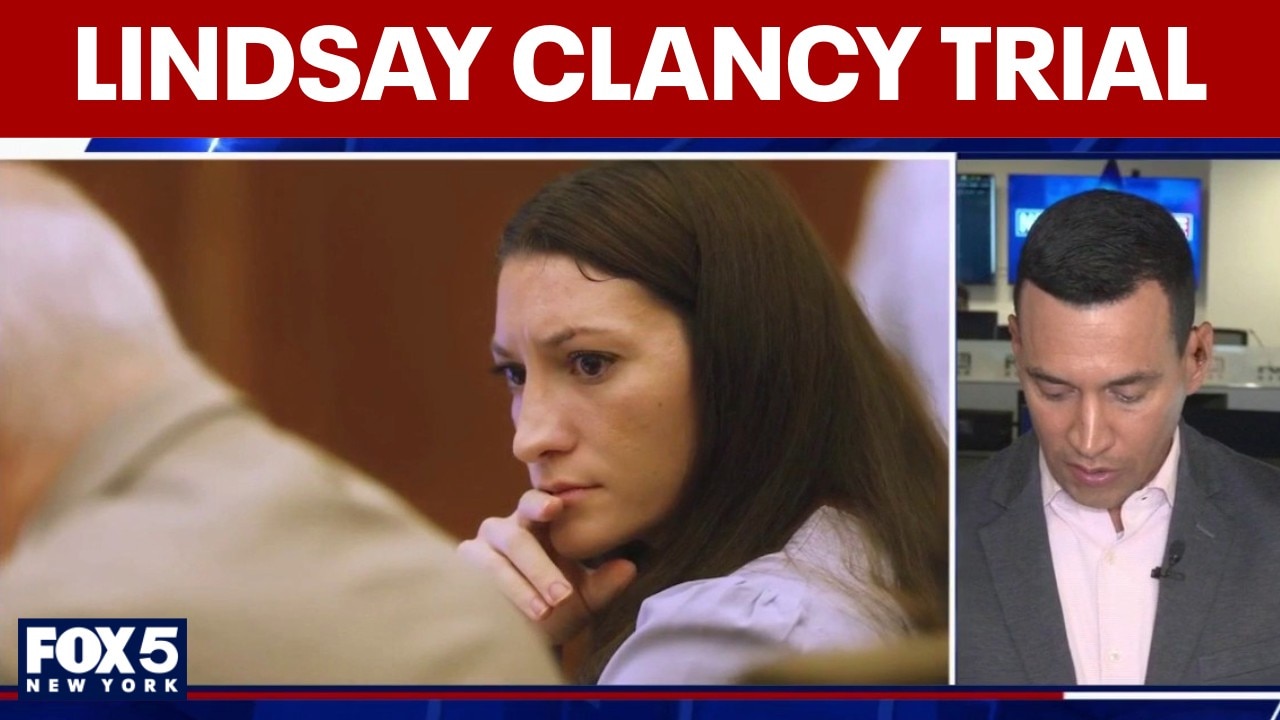
Lindsay Clancy trial: Judge tells jury to keep deliberating after they can’t get unanimous decision
Judge tells Lindsay Clancy jury to keep deliberating after it says it is unable to come to a unanimous decision.
PLYMOUTH, Mass. - After weeks of grueling testimony and days of deliberation, the jury in the high-profile murder trial of Lindsay Clancy announced Tuesday that they were unable to reach a unanimous verdict. In response, the judge instructed the panel of nine women and three men to keep trying.
But what happens if they still can't agree? Under Massachusetts law, a very specific set of rules dictates the next steps.
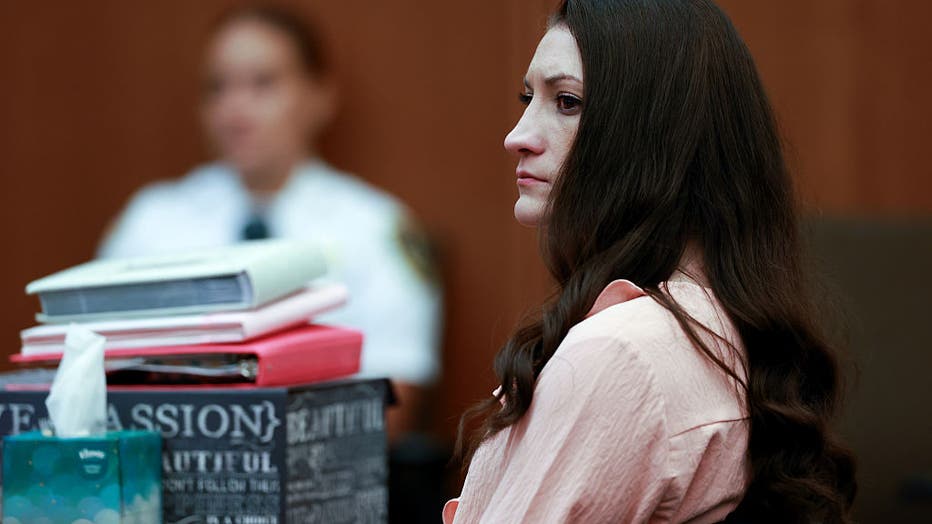
"Tuey-Rodriguez" charge
What we know:
When a jury indicates they are deadlocked, Massachusetts judges may issue the "Tuey-Rodriguez" charge. It acts as a legal push, sometimes called a "dynamite charge," to encourage unanimity.
According to the state's model jury instructions, the judge reminds the jurors to examine the issues "with candor and with a proper regard and respect for each other's opinions." Jurors in the minority are asked to re-examine their stance and consider if their doubt is truly reasonable if it makes no impression on the other equally honest, intelligent jurors.
Featured
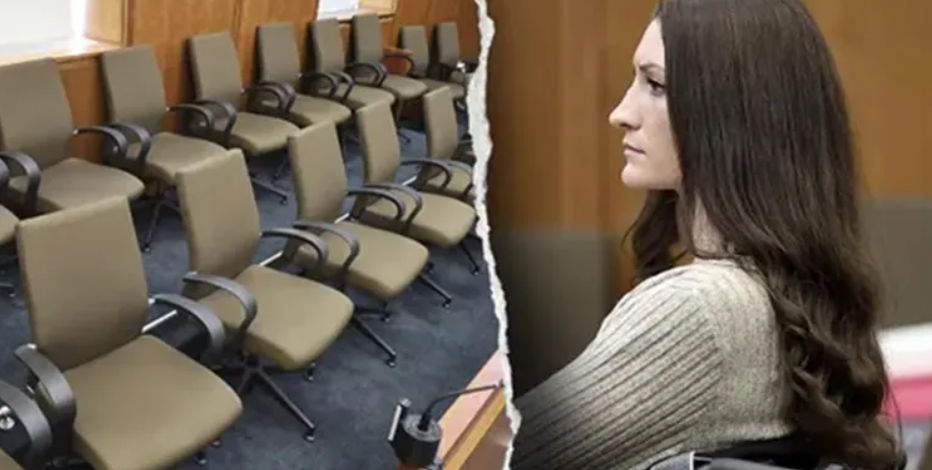
Lindsay Clancy jury at impasse on Day 4; judge sends them back to deliberate
Jurors entered a fourth day of deliberations in the Lindsay Clancy murder trial, weighing whether postpartum psychosis left her not criminally responsible for the deaths of her three children.
However, the instruction strikes a delicate balance. It strictly notes that jurors should not surrender their "honest conviction... solely because of the opinion of your fellow jurors, or for the mere purpose of returning a verdict." The burden of proof remains firmly on the prosecution to prove the case beyond a reasonable doubt.
Two-strike rule
Dig deeper:
Massachusetts law places a firm limit on how many times a judge can send a deadlocked jury back to the deliberation room.
The law states that if a jury returns to court after "due and thorough deliberation" without a verdict, the court can explain the law anew and send them back out. But if they return a second time without a verdict, "they shall not be sent out again without their own consent."
The only exception to this rule is if the jury explicitly asks the court for further explanation of the law. If they do not consent to try again after that second impasse, the deliberations must end.
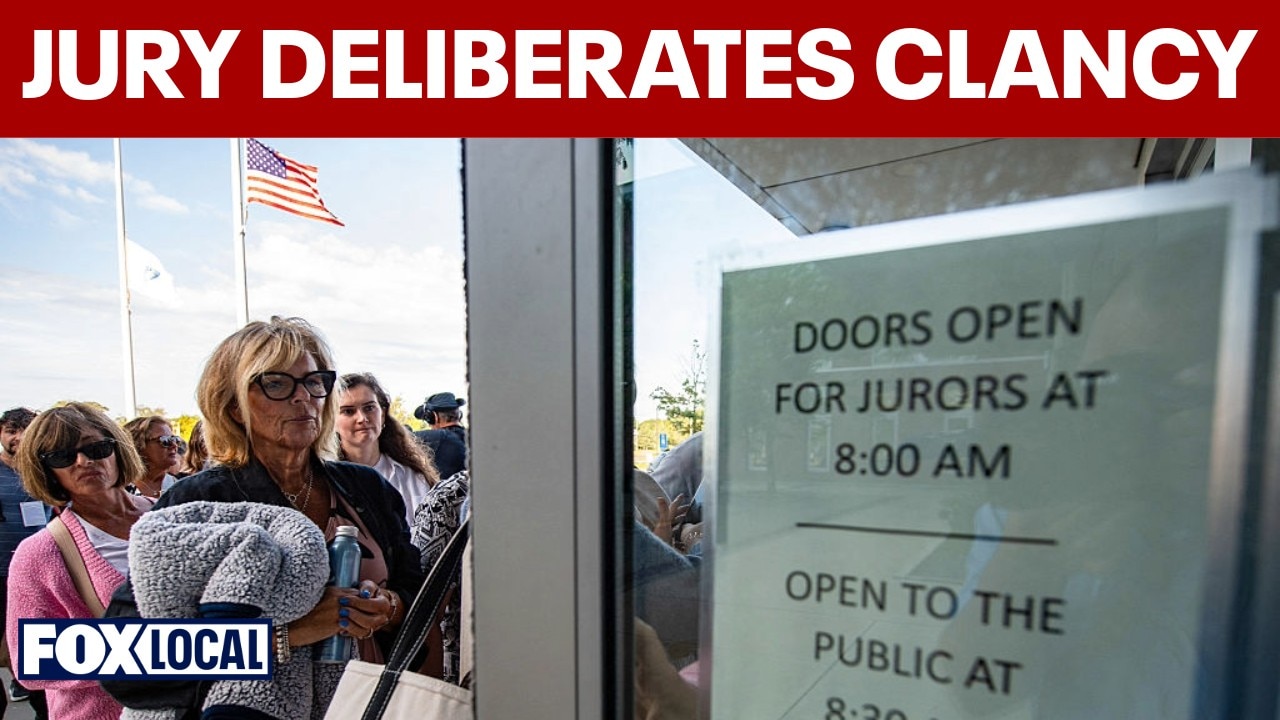
Jury deliberates in trial of Lindsay Clancy charged in deaths of her children
A Massachusetts jury is deliberating the fate of Lindsay Clancy, who faces charges in connection with the deaths of her three young children. Prosecutors argue the act was deliberate, while her defense contends she experienced a severe postpartum psychosis episode.
Possible mistrial
What's next:
If the jury officially deadlocks and deliberations end, the judge will be forced to declare a mistrial due to a hung jury.
A mistrial does not mean Clancy is acquitted of the January 2023 deaths of her three young children. Instead, the district attorney will have a critical decision to make:
- Retrial: The prosecution can choose to try the case all over again with a brand-new jury. This would mean presenting the testimony of more than 80 witnesses and over 300 exhibits a second time.
- Plea agreement: To avoid the emotional and financial toll of a second trial, the two sides could potentially negotiate a plea deal.
- Dismissal: The state could theoretically drop the charges, though given the severity of the first-degree murder charges, legal experts consider this highly unlikely.
The Source: Information from this article was sourced from the Associated Press, Massachusetts General Laws, and the Commonwealth of Massachusetts.