

Philly City Council’s environment committee votes to stop sending trash to Chester incinerator
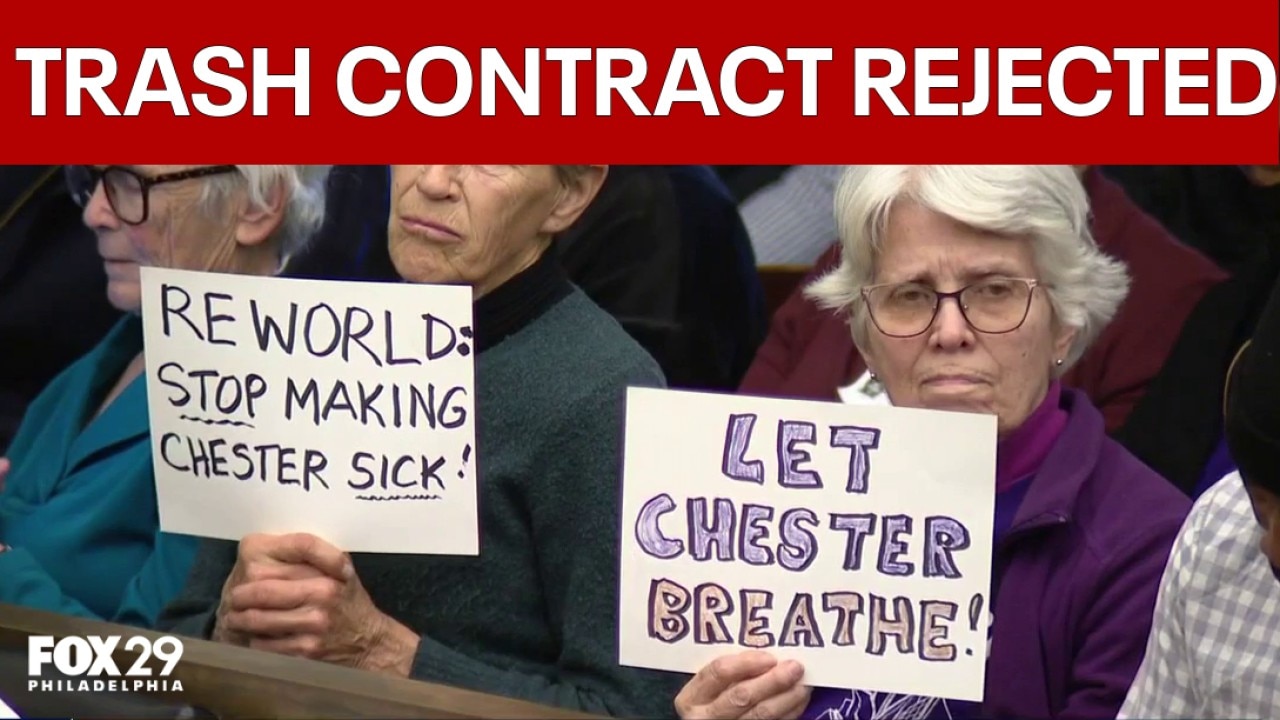
Philly city council votes to stop sending trash to Chester incinerator
Philadelphia City Council’s Committee on the Environment has voted to stop sending trash to nearby incinerators in Chester. Here's what we know.
PHILADELPHIA - City Council's Committee on the Environment unanimously voted Wednesday to reject Mayor Cherelle Parker’s proposed seven-year contract to continue sending Philadelphia’s trash to the Reworld incinerator in Chester. According to a city press release, the amended ordinance removed Reworld from the waste disposal contract, ensuring trash collection continues but prohibiting contracts with Reworld for incineration.
What we know:
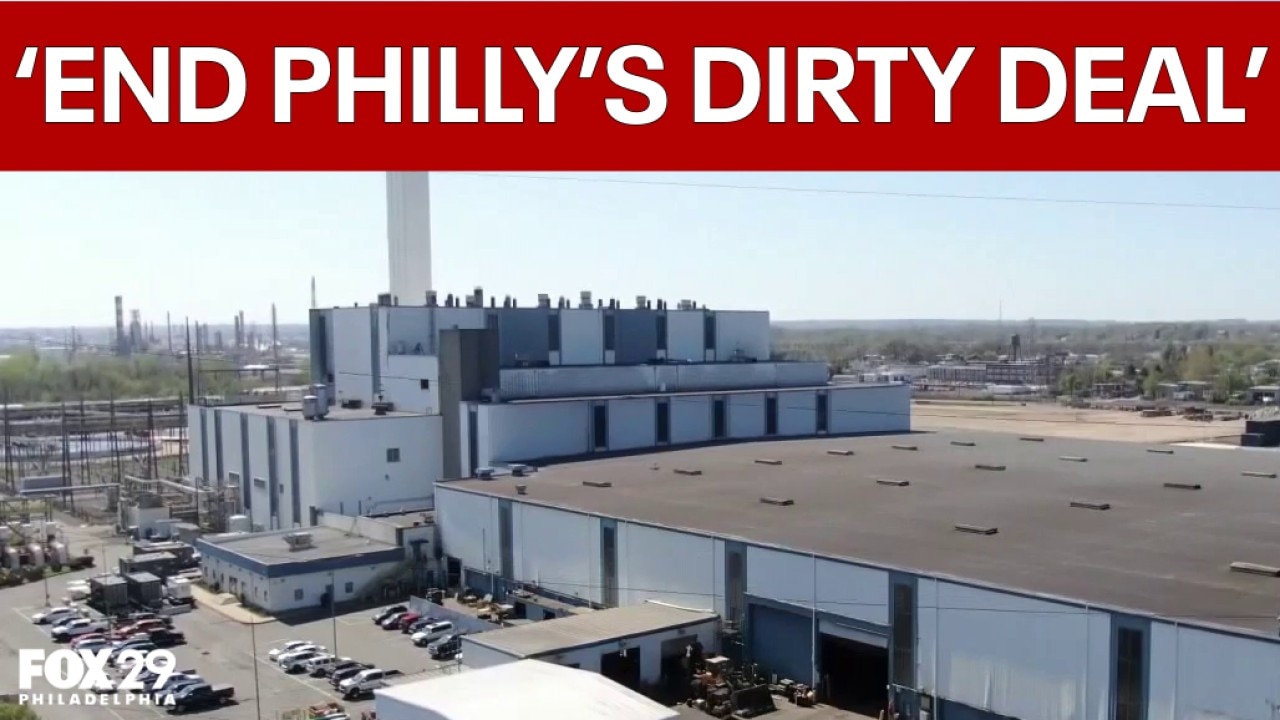
Trash debate in Philadelphia: Should we keep burning trash at nearby incinerators?
Philadelphia City Council's Committee on the Environment considered Mayor Parker's Administration's proposed waste and recycling disposal contracts, including one to keep burning trash at incinerators in Chester City and Plymouth Township.
The committee's 6-0 vote specifically targets the plan to send roughly 30% of the city's trash to the Reworld facility for seven more years, a move required to pass City Council under Philadelphia's Home Rule Charter. Council sent updated landfill contracts with WM and Republic to the council floor, effectively keeping disposal operations running without Reworld involvement.
One key reason for the rejection cited by councilmembers was the lack of evidence on the health impacts of incineration.
"In 2025, I asked Reworld to provide actual evidence of combined environmental exposure and respiratory function to assess the impacts of incineration on the residents of Chester and neighboring communities," said Dr. Nina Ahmad, Council's Public Health and Human Services Committee Chair. "Unfortunately, such data has still not been produced to date, and I cannot, in good conscience, vote in favor of the new contract without evidence-based data."
Interest groups like One Pennsylvania, Energy Justice Network, 215 People’s Alliance, and Reclaim Philadelphia supported legislation to prohibit the city from contracting with companies that incinerate waste, pushing for adoption of the Stop Trashing Our Air Act introduced by Councilmember Jamie Gauthier.
The backstory:
The city’s contracts with three trash disposal companies, including Reworld, were up for renewal, with the Parker administration proposing a new seven-year deal. While the contracts had been temporarily renewed until year's end, testimony before the committee included references to past violations by Reworld and documented health risks. The Reworld Delaware Valley plant in Chester is the largest trash incinerator in the country and the region’s biggest industrial polluter, according to advocacy groups and city analysis.
A Delaware County-commissioned life cycle assessment found burning trash and disposing of the resulting ash is much more damaging to health and the environment than sending trash straight to a landfill—by a factor of 23 for health impacts.
Public pressure and health impacts shape council decision
What they're saying:
Councilmembers and advocates expressed health, safety, and justice concerns.
"We have been clear for over a year that we won’t tolerate the toxic status quo," said Councilmember Jamie Gauthier, Chair of the Committee on the Environment. "At a time when municipalities across the nation are making greener choices, we won’t allow the City of Philadelphia to keep making our residents sick with air polluted with our own waste."
Chester Health Commissioner Dr. Kristin Motley said, "The incinerator is a major contributor of pollution, even by their own reports. It’s just inherent in the facility’s operations, which is why facilities like this should never be built within a neighborhood."
The vote followed testimony from a former Reworld employee who described issues with equipment and pollution monitoring. During the hearing, Eric Bazis said, "Old equipment also impacts safety – I remember opacity monitors and other measuring devices getting old and giving false measurements. We were not told to replace them, just to make sure they showed numbers that looked right."
The other side:
The Parker administration described incineration as safe only if "continuous, high performance control systems" operate without interruption, though their analysis found Reworld Delaware Valley does not meet those standards.
Despite the administration's push to continue with incineration, advocates and city officials pointed to hundreds of violations and nearly $1 million in fines Reworld accumulated over two decades.
Supporters of ending the contract highlighted environmental justice. "For too long, the Reworld incinerator has been allowed to endanger the health of people in this entire region," said Steve Paul, executive director of One Pennsylvania.
What's next:
The recommendation now goes to city council, where it’s expected to be approved. Then, it will head to Mayor Parker’s desk where it could be met with a veto.
The Source: This article contains information from a City of Philadelphia press release, testimony and statements from councilmembers and advocates, and reporting on the committee's Wednesday hearing.