

Remembering Space Shuttle Columbia
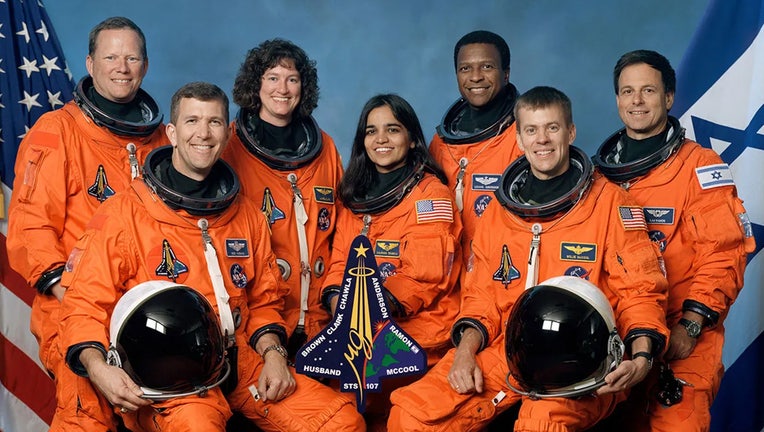
STS-107 Crew (L-R): Mission Specialist 1 David M. Brown, Commander Rick D. Husband, Mission Specialist 4 Laurel Blair Salton Clark, Mission Specialist 2 Kalpana Chawla, Payload Commander Michael P. Anderson, Pilot William C. McCool, Payload Specialis
On Feb. 1, 2003, NASA was once again dealing with tragedy when Space Shuttle Columbia and her crew of seven astronauts were lost after the shuttle broke apart during reentry.
What we know:
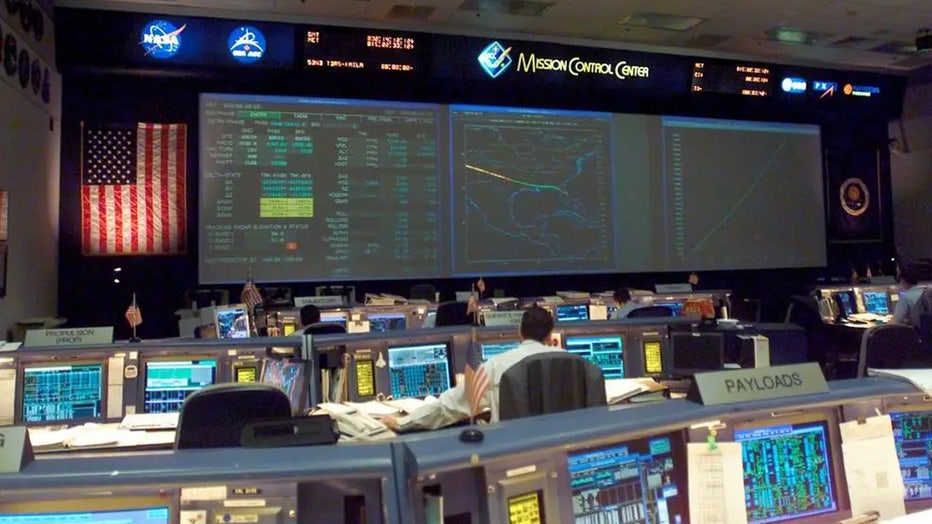
The Mission Control Center at the moment of loss of contact with Columbia on Feb. 1, 2003. (NASA)
Columbia was just 16 minutes from landing at the Kennedy Space Center, when Mission Control at the Johnson Space Center in Houston, Texas, lost contact with the shuttle. By the time Mission Control was aware that Columbia was overdue, fiery white streaks had appeared in the skies over Texas, as Columbia disintegrated, killing the seven-member crew — Commander Rick Husband, Pilot William McCool, Payload Commander Michael Anderson, and Mission Specialists Kalpana Chawla, David Brown, Laurel Clark, and Payload Specialist Ilan Ramon, who was the first Israeli astronaut.
RELATED: Space shuttle Challenger explosion remembered, 40 years later
The backstory:
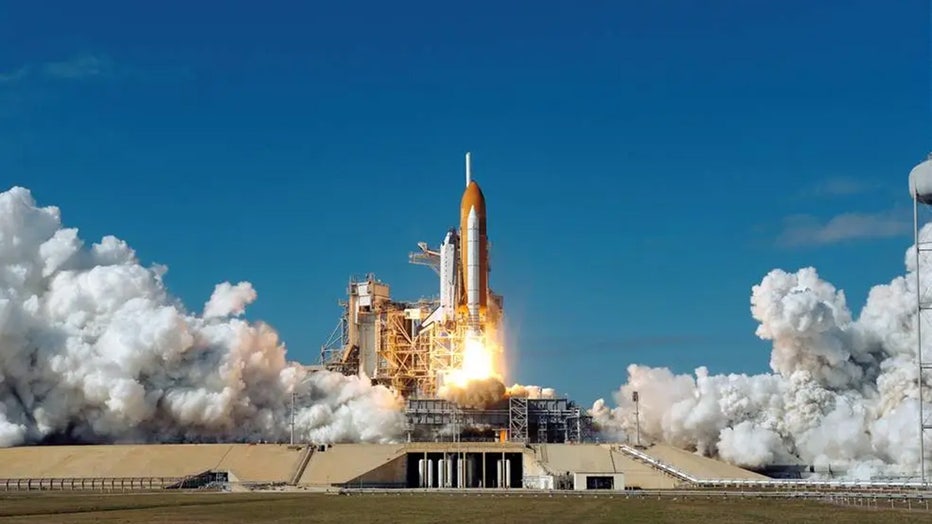
Columbia lifted off from Launch Pad 39A at the Kennedy Space Center on Jan. 16, 2003. (NASA)
Columbia took off from the Kennedy Space Center on Jan. 16, 2003. During the launch, a piece of foam from the shuttle's orange external tank broke off and slammed into the left wing of the orbiter. NASA's engineers spotted the incident on launch footage — the impact sent a cloud of debris into the air as the shuttle continued upwards — but did not realize that it had punched a hole in the leading edge of Columbia's wing. The blow from the foam caused the shuttle to overheat and break up upon reentry.
The investigation determined that NASA had underestimated the potential danger of the foam debris, which had been a problem on a number of other launches.
The review board also looked at whether the astronauts could have been saved if NASA had known about the wing damage. Had they taken immediate action, they decided, it could have been possible to pull space shuttle Atlantis out of processing and launch it on an unprecedented rescue mission, though there would have been no way to get Columbia itself home.
They also determined that Columbia's astronauts could have attempted a risky on-orbit repair themselves, but there was no guarantee that it would have worked.
President George W. Bush address on the Space Shuttle Columbia tragedy
The Source: Information for this article was sourced from NASA and includes previous FOX Local reporting. This story was reported from Orlando.