

Why snow amounts are still uncertain ahead of weekend winter storm in Philadelphia, NJ

Philadelphia's top snowstorms ahead of possible weekend snow
Could this weekend's storm make history? It's still unclear how much will actually fall, but it's been years since the Philadelphia region's seen record-setting snow.
PHILADELPHIA - If you’ve noticed snow forecasts changing ahead of this weekend’s winter storm, you’re not alone, but it doesn’t mean forecasters are guessing. It means the atmosphere is still sorting out key details.
What we know:
Forecasts are created using data analyzed by meteorologists like those at the National Weather Service, who rely on multiple computer models to simulate how storms may develop.
Early in the process, those forecasts can show different outcomes, especially when a storm is still days away. As new data comes in, meteorologists adjust the forecast to better reflect how the storm is shaping up.
How you can stay up to date about the weekend weather
- FOX LOCAL is now available for iPhone and Android users. Click here to download.
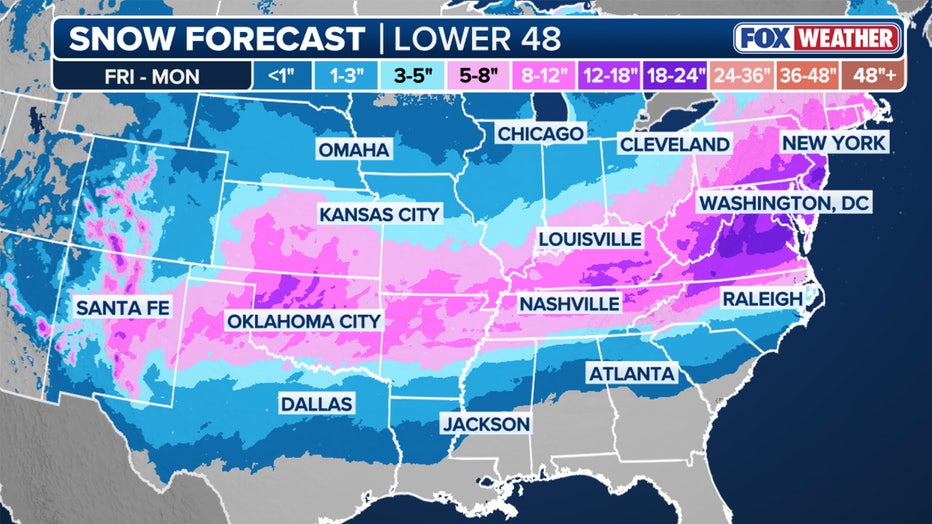
Why snowfall forecasts change
Snow is one of the hardest things to predict because it depends on several factors lining up just right.
- Storm track: A shift north or south can change who gets heavy snow and who gets less.
- Temperature: Even a degree or two can mean snow, sleet, or rain.
- Timing: Faster or slower storms affect how long snow falls.
- Moisture: More moisture means heavier snowfall potential.
Small changes in any of these can lead to noticeable differences in accumulation.
RELATED: What is the polar vortex? Why it matters as snow and Arctic cold threaten the Northeast

TOPSHOT - A man shovels the snow in the Hamilton Heights neighborhood in the Manhattan borough of New York City on December 14, 2025. (Photo by CHARLY TRIBALLEAU / AFP via Getty Images)
Why totals can vary across the region
Snow rarely falls evenly across an entire area. One neighborhood may see several inches, while another just a few miles away sees less.
Factors like elevation, proximity to the rain-snow line and even urban heat can influence accumulation. That’s why forecasters often talk about ranges rather than exact numbers when discussing snowfall.
When forecasts become more reliable
According to the National Weather Service, forecast confidence typically increases within about 24 to 36 hours of a storm, as more real-time data from satellites, radar and weather balloons becomes available.
That’s typically when snowfall estimates become more precise and less likely to change significantly.
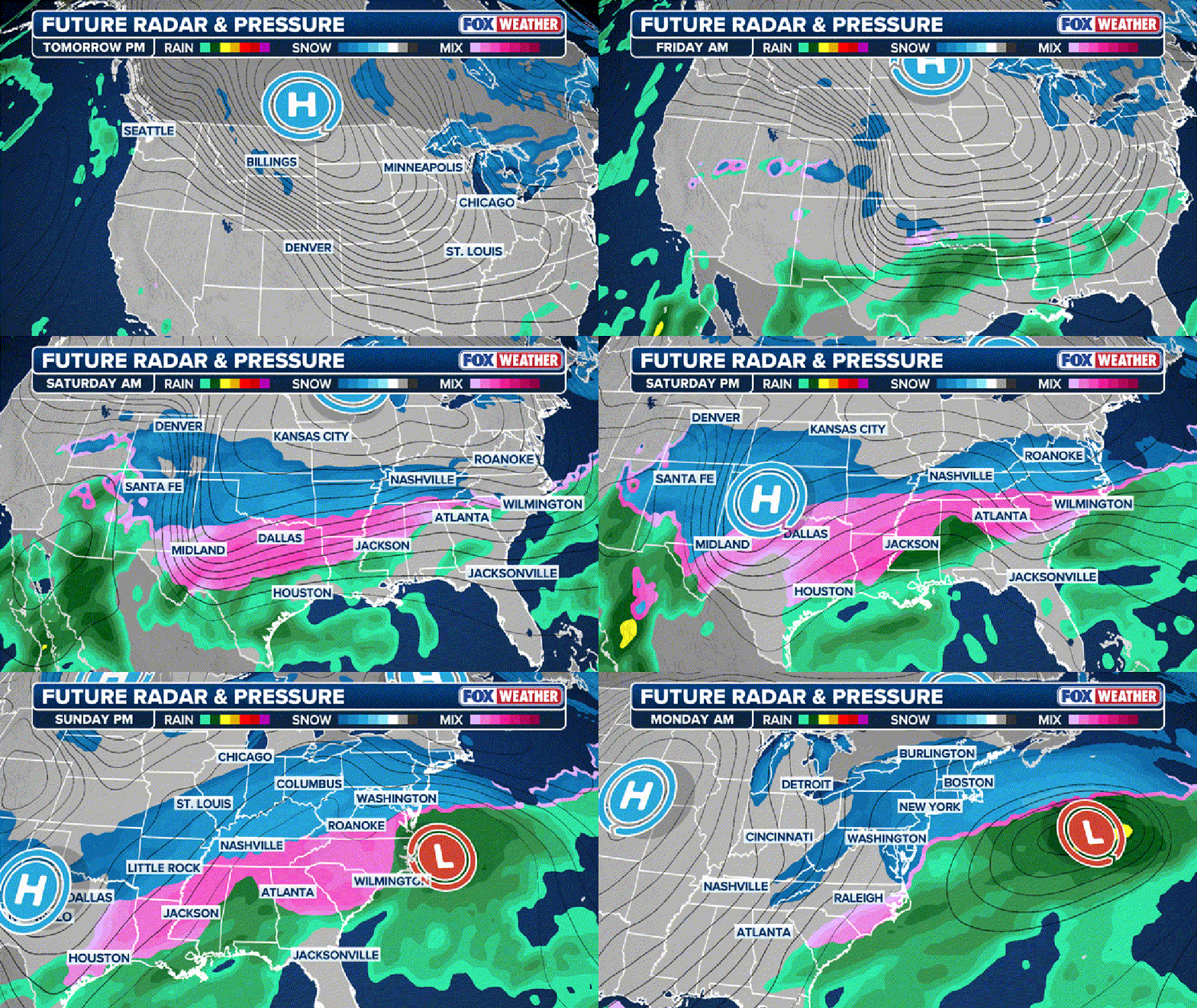
This graphic displays the future radar and pressure for the winter storm charging east through Monday. (FOX Weather) (This graphic displays the future radar and pressure for the winter storm charging east through Monday. (FOX Weather))
What we don't know:
Until the storm is closer, forecasters may still be unsure about:
- Exact snow totals for specific neighborhoods
- Whether mixing or brief rain reduces accumulation
- How long snow will last in your area
That uncertainty is normal and expected during winter weather events.
Why you should care:
Understanding why snow forecasts change can help set realistic expectations. Rather than focusing on a single number days in advance, it’s more important to pay attention to potential travel impacts, timing of heavier snow and how cold temperatures could affect conditions after the storm.
Preparing ahead of time, even while details are still being refined, can make a big difference.
What's next:
Meteorologists will continue to update snowfall projections as the storm approaches and confidence improves. Residents are encouraged to check forecasts regularly and prepare for a range of possible outcomes.
READ: LATEST FORECAST
Featured
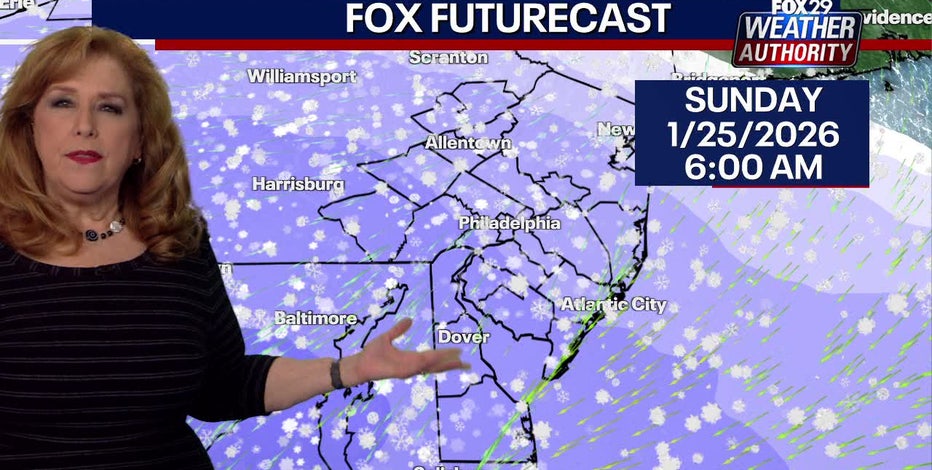
Philly snow forecast: Measurable snowfall expected this weekend with bitter cold temps
Philadelphia is bracing for a significant snow storm that could bring bitterly cold temperatures and measurable snowfall accumulations to our area this weekend.
The Source: This article was written using information from FOX meteorologists, the National Weather Service, and standard meteorological forecasting guidance.