

Old Farmer's Almanac winter forecast: How much snow will Philadelphia area get this year?
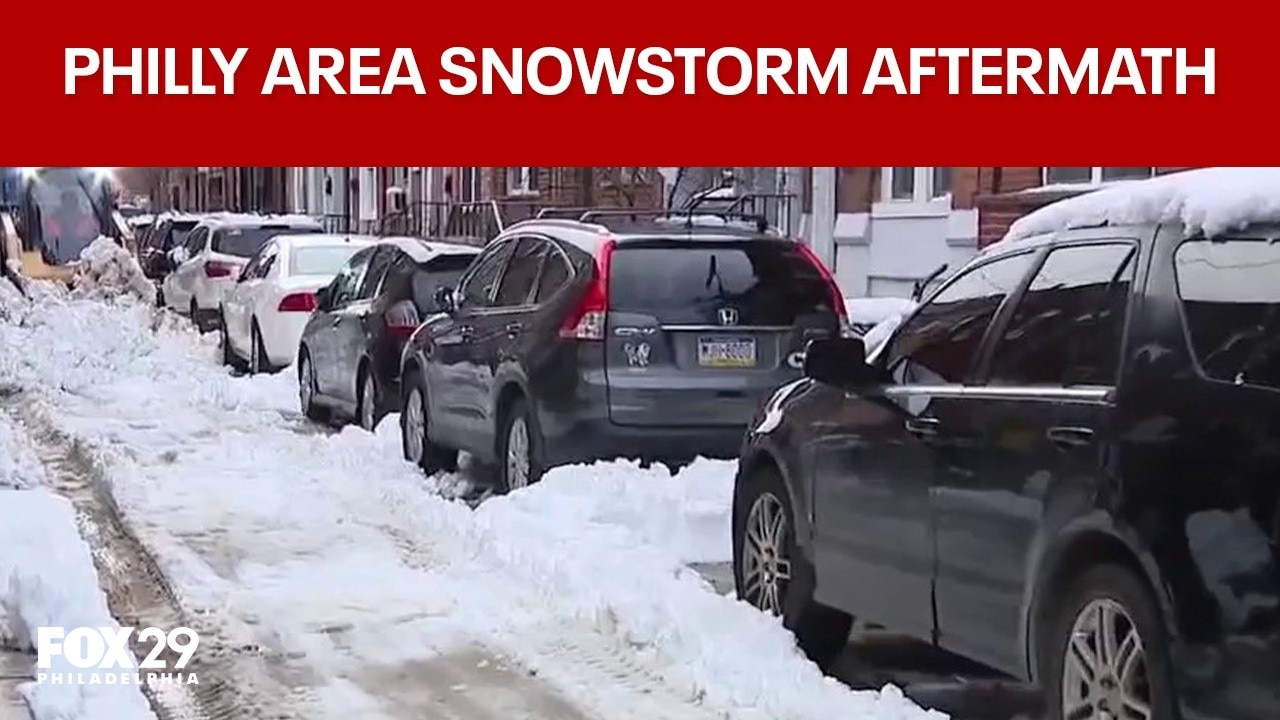
How Philly, Bucks, and South Jersey are digging out after snowstorm
Residents across South Philly, Bucks County, and South Jersey are digging out after a major snowstorm, with city and county crews working to clear roads and restore normalcy.
PHILADELPHIA - Winter is looking milder than usual for the Philadelphia area based on predictions by the Old Farmer's Almanac for the upcoming season.
What we know:
Philadelphia and its surrounding counties are expected to see above-average temperatures and slightly below-normal snowfall this season. Last winter, one major snow storm brought over 14 inches to parts of Philadelphia and more than 16 inches to the surrounding area.
Although a reprieve from relentless freezing is anticipated this year, experts say winter will still make its presence known during a few key windows.
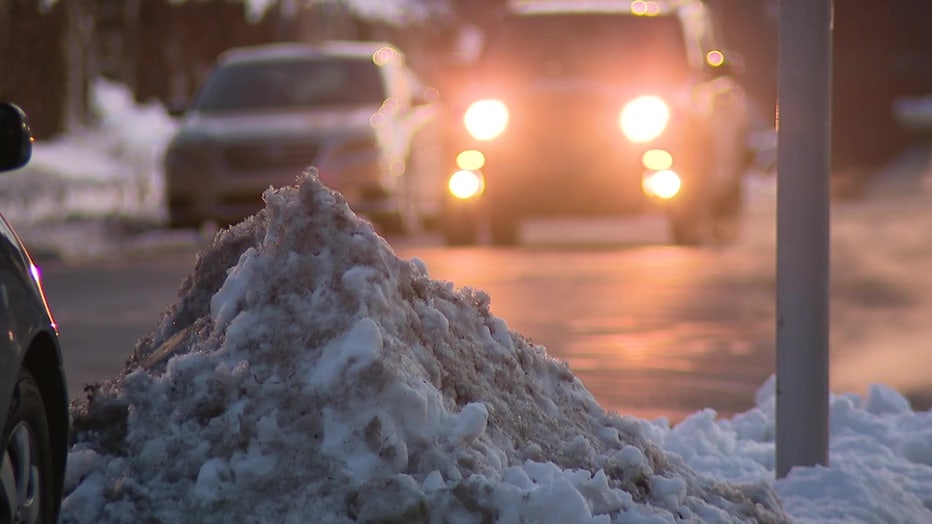
When to expect cold and snow
Timeline:
While overall precipitation and snowfall are predicted to be slightly below normal, you will still need a shovel.
- Coldest stretches: Early to mid-December, early to mid-January, and early and late February.
- Snowiest periods: Late November, early and mid-January, early and late February, and late March.
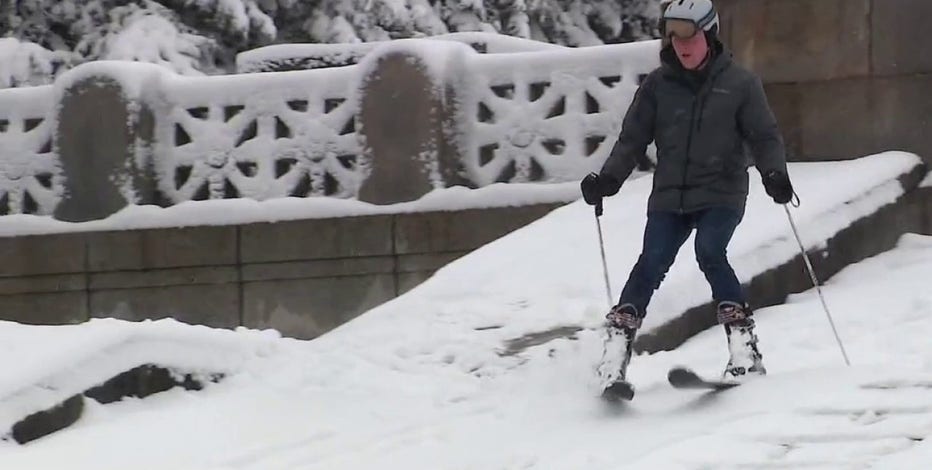
Philadelphia snowstorm brings over 16 inches, ranks among largest in recent years
A major snowstorm on Sunday, February 22, 2026, brought blizzard-like conditions and over 16 inches of snow to parts of the Philadelphia region, prompting comparisons to historic snowstorms in the area.
What’s shaping the forecast
Dig deeper:
The Old Farmer's Almanac says these signs of the season are already appearing, and helped them shape this year's winter outlook:
- El Niño: A strong El Niño has returned, warming the equatorial Pacific and shifting the jet stream. This typically favors milder temperatures across the East Coast.
- Waning solar activity: Solar Cycle 25 has passed its peak. Historically, high solar activity has been linked to warmer averages, meaning this drop-off introduces a cooling variable.
- Polar vortex: If the swirling pool of Arctic air shifts south, the region could still see intense, bitter cold fronts dropping down from Canada.
- Ocean and wind patterns: The Atlantic remains warm, while a regular shift in high-altitude equatorial winds (the Quasi-Biennial Oscillation) and a neutral-to-positive Indian Ocean Dipole could steer stronger storms our way.
The Source: Information from this article was sourced from the Old Farmer's Almanac Winter Weather Forecast 2026–2027.