

What is hantavirus? Symptoms, how it spreads and why experts are watching it
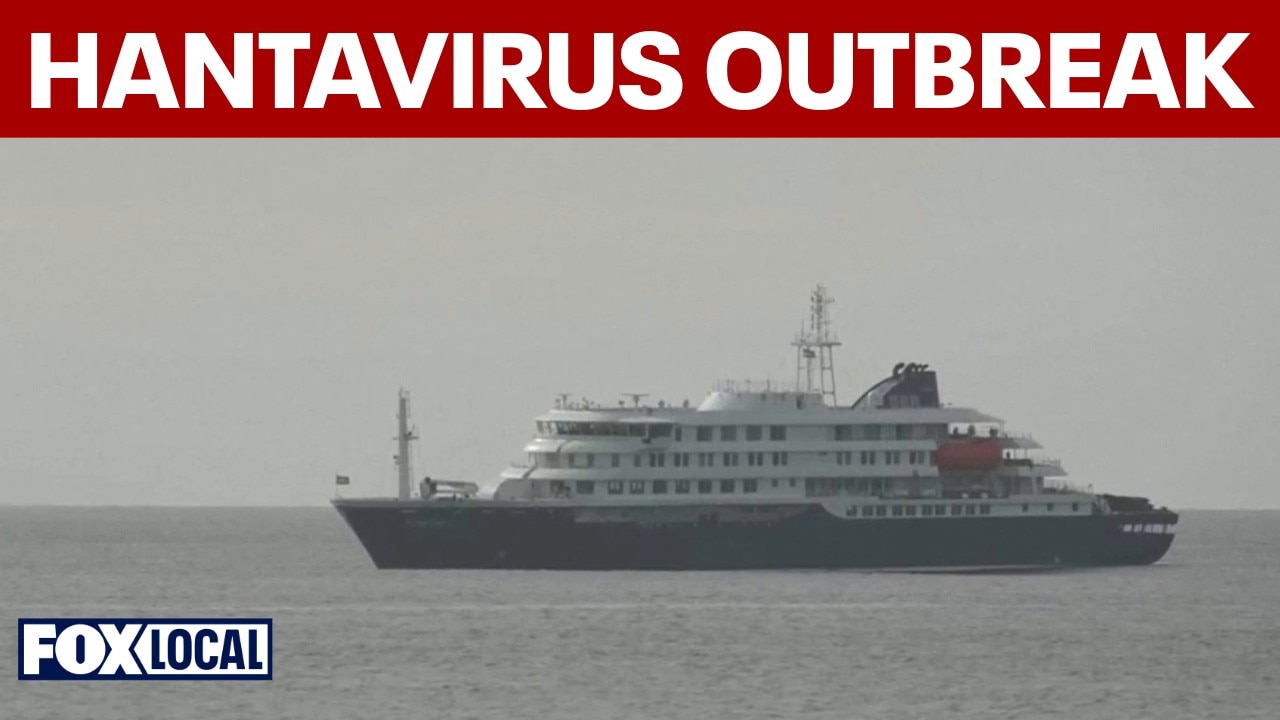
Hantavirus outbreak cruise ship heads to Spain
Three passengers have died and several others have contracted hantavirus on board a Dutch-based cruise ship. The ship is now headed to Spain to drop off its passengers, as three suspected hantavirus patients have been evacuated.
NEW YORK - Hantavirus is back in the spotlight after health officials began monitoring possible cases connected to a cruise ship outbreak, raising questions about the rare but serious disease.
What is hantavirus?
Hantavirus refers to a group of viruses primarily spread to humans through contact with infected rodents, according to the Centers for Disease Control and Prevention.
People can become infected by breathing in virus particles from rodent urine, droppings or saliva, especially in enclosed spaces that have not been cleaned properly. The virus can also spread through rodent bites in rare cases.
In the United States, hantavirus can cause hantavirus pulmonary syndrome, or HPS, a severe respiratory illness that can be deadly.

TOPSHOT - This aerial picture shows a general view of the cruise ship MV Hondius stationary off the port of Praia, the capital of Cape Verde, on May 3, 2026. An outbreak of "severe acute respiratory illness" on board a cruise ship in the Atlantic has
What are the symptoms?
Early symptoms often resemble the flu and can include:
- Fever
- Fatigue
- Muscle aches
- Headaches
- Chills
- Nausea or stomach problems
As the illness progresses, some patients develop coughing and severe shortness of breath as fluid builds up in the lungs.
The CDC says hantavirus pulmonary syndrome has a fatality rate of about 35%.
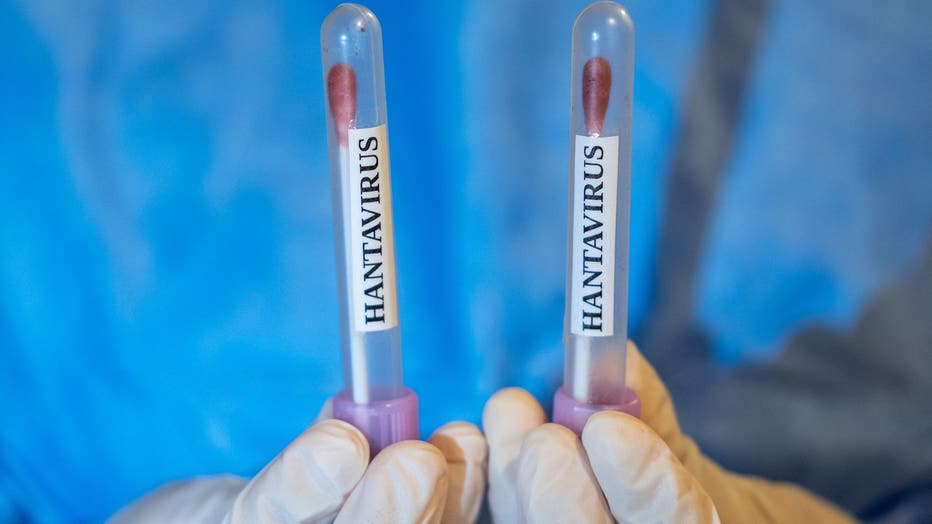
ANKARA, TURKIYE - MAY 06: In this photo illustration Hantavirus samples are seen in Ankara, Turkiye on May 06,, 2026. (Photo by Arman Onal/Anadolu via Getty Images)
Why it’s making headlines
Health officials around the world are investigating a suspected hantavirus outbreak linked to a Dutch cruise ship traveling in the Atlantic Ocean.
The World Health Organization said at least seven suspected or confirmed cases were identified, including three deaths.
Officials believe some cases may involve the Andes strain of hantavirus, a rare version that can spread between people through close contact. Most hantavirus strains do not spread person-to-person.
Reuters also reported that people in multiple U.S. states were being monitored after potential exposure connected to Dutch travelers.
RELATED: American cruise ship passenger dies during stop at island vacation hot spot
Timeline of suspected hantavirus cases
Health officials outlined a series of cases linked to the cruise ship outbreak:
- Case 1: An adult man developed fever, headache and mild diarrhea on April 6 while on board. By April 11, he experienced respiratory distress and died the same day. No lab testing was performed.
- Case 2: An adult woman and close contact of Case 1 went ashore on April 24 with gastrointestinal symptoms. She worsened during a flight to South Africa and died April 26. Testing later confirmed hantavirus infection.
- Case 3: An adult man became ill April 24 with fever, shortness of breath and pneumonia-like symptoms. His condition worsened and he was airlifted to South Africa, where he remains hospitalized in intensive care. Testing confirmed hantavirus on May 2.
- Case 4: An adult woman developed symptoms on April 28, including fever and malaise, and later died May 2 after developing pneumonia.
Officials say three additional suspected cases remain on board the ship with fever or gastrointestinal symptoms and are undergoing evaluation.
Health authorities noted the first two confirmed cases had traveled in South America, including Argentina, before boarding the ship.
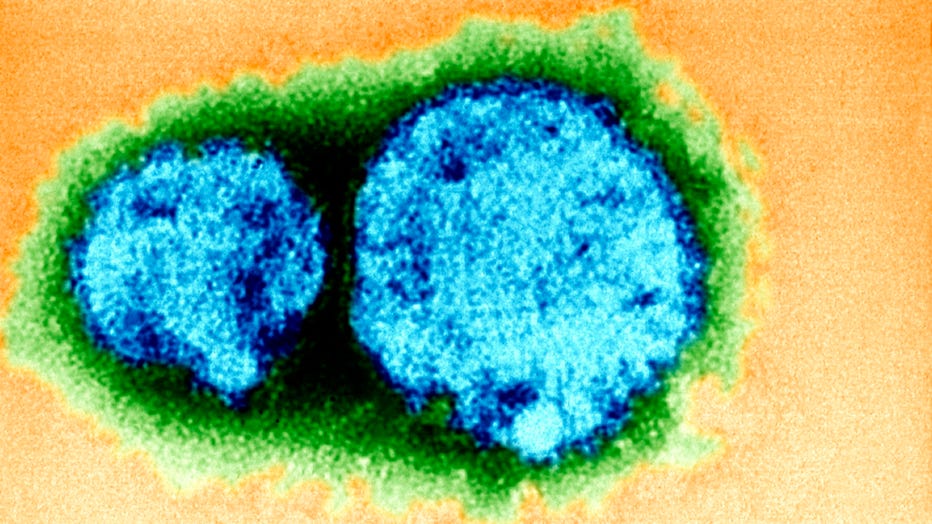
Hantavirus. (BSIP/UIG Via Getty Images)
Are there any confirmed hantavirus cases in the U.S. right now?
U.S. health officials say they are monitoring several people for possible hantavirus exposure connected to the cruise ship outbreak, including individuals in multiple states, according to the Associated Press.
However, as of Thursday, there have been no publicly confirmed active hantavirus cases reported in the United States tied to the outbreak.
How common is hantavirus in the U.S.?
Hantavirus infections remain rare in the United States.
The CDC says 890 laboratory-confirmed hantavirus cases were reported nationwide between 1993 and the end of 2023. About 94% of those cases occurred west of the Mississippi River.
States in the Southwest have historically reported the highest number of cases.
How to reduce your risk
Health officials recommend:
- Avoiding contact with rodents and rodent droppings
- Sealing holes or openings in homes
- Using gloves and masks when cleaning rodent-infested areas
- Avoiding sweeping or vacuuming rodent droppings directly, which can spread particles into the air
The CDC advises using disinfectant and proper ventilation when cleaning enclosed spaces where rodents may be present.
What's next:
Global health officials continue to investigate the cruise ship outbreak and monitor possible exposures connected to international travelers.
Experts say the overall public health risk remains low, but awareness is important because the disease can become severe quickly.
The Source: This article was written using information from the CDC, WHO and Reuters.