

City Council preliminarily approves Mayor Parker's $7B budget, kills proposed tax on rideshare
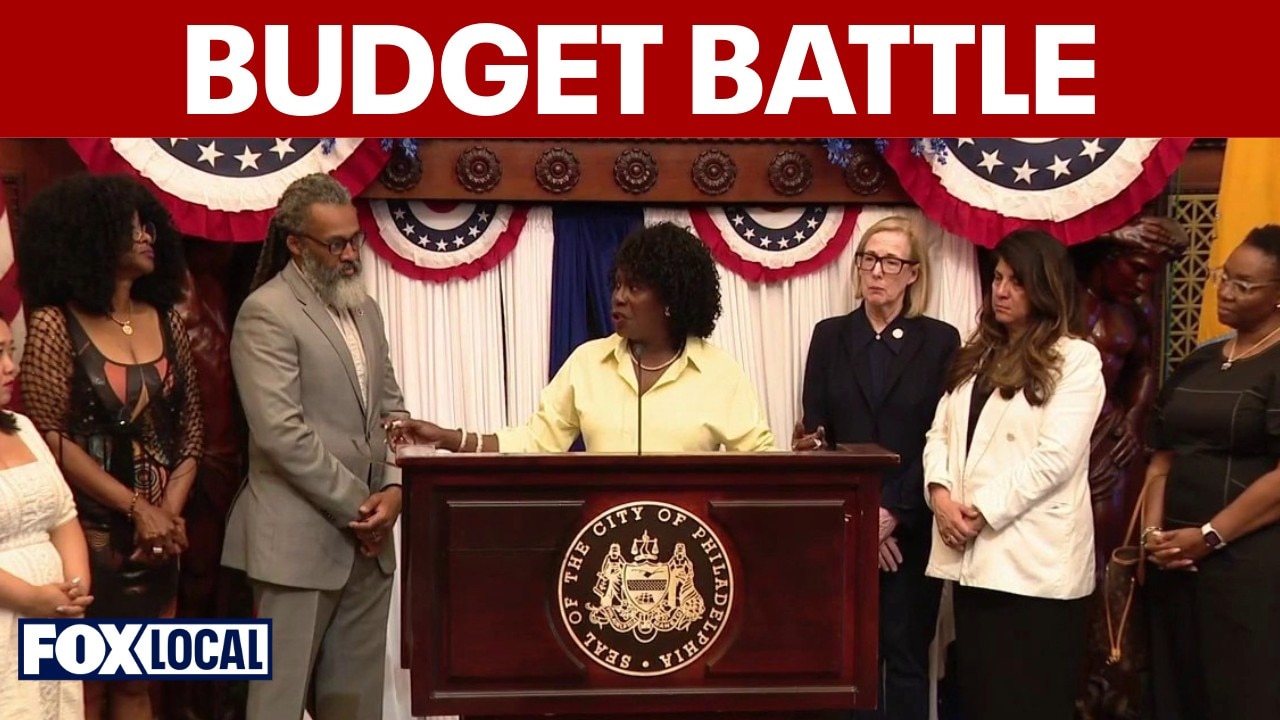
Philadelphia Council strikes down Parker's tax proposals
The Philadelphia City Council approved a modified version of Mayor Cherelle Parker's proposed budget cuts, including the rideshare tax that would go to help fund Philadelphia public schools.
PHILADELPHIA - Philadelphia City Council on Thursday rejected Mayor Cherelle Parker's controversial proposed tax on rideshare apps and delivery services that were part of a $7B budget plan designed to fund public schools and improve city infrastructure.
City Council members approved the budget, but also voted down a proposed tax increase on hotels and short-term rentals in Philadelphia that would have been earmarked for initiatives to address homelessness.
What we know:
Mayor Parker's plan to charge rideshare users $1 per trip was met with controversy when it was first proposed in March. The money collected from the proposed tax was planned to fund the city's public schools system, which is facing its own budget deficit.
"We have made real progress in our schools, and I am not going to allow us to lose ground. This is about protecting that progress and making sure every child in Philadelphia has a real shot," said Mayor Parker.
The proposal came with pushback from rideshare users and companies like Uber and Lyft. In a statement, Uber said the tax would "worsen Philadelphia’s affordability and transportation crisis," adding that rideshare already provides millions to city schools annually.
City council on Thursday also voted down a proposed 25-cent tax on delivery services from companies like Amazon and GoPuff. Money from that tax, Parker said, was designed to fund infrastructure improvements like fixing potholes.
The delivery tax excluded essentials such as food, baby products and medication, and would have been levied on retailers, not individual consumers. Parker estimated the tax would have generated $15M annually.
The hotel and short-term rental tax, including platforms like Airbnb, lost steam after it failed to gain support from state lawmakers, according to a source at City Hall. Money collected from that tax would have gone towards addressing homeless prevention services.
What they're saying:
Following council's preliminary approval, Mayor Parker issued a statement addressing the elusion of several of her proposals.
She says the omitted proposals were put forward by her administration to, "make our city more affordable, generate predictable recurring funding for our schools, help end street homelessness, and improve neighborhood roads and infrastructure."
She added that she would not be giving up on those proposals, and that the people of Philadelphia did not 'elect her to accept the status quo.
You can read her full statement below.
"Today, City Council gave preliminary approval to the Fiscal Year 2027 Budget. This budget includes important investments in affordability, economic mobility, housing, education, workforce development, public safety, and neighborhood quality of life. It advances key priorities of my administration's Economic GPS agenda, and it moves Philadelphia one step closer to a budget that helps more residents achieve Growth, Prosperity, and Security. Supporting and helping to grow small businesses, increasing the number of schools offering year-round educational enrichment activities through our Extended Day, Extended Year program, putting our H.O.M.E. program dollars to productive uses, extending our Neighborhood Wellness Court, expanding the capacity of our Taking Care of Business commercial corridor cleaning program – all these initiatives and more are including in this FY27 Budget. At the same time, I want to be honest with the people of Philadelphia. While this budget contains meaningful investments, it does not include several proposals my administration put forward to make our city more affordable, generate predictable recurring funding for our schools, help end street homelessness, and improve neighborhood roads and infrastructure. City Council did not approve our proposal to generate a dedicated, recurring source of revenue for the School District of Philadelphia. Our goal was clear: protect 340 school-based positions and continue the progress our children have made. A one-time band-aid is not the same as a long-term recurring commitment. Council also did not approve our proposals to help fund our plan to bring more homeless Philadelphians inside, and to address critical road and infrastructure needs. But let me be clear: I am not giving up on any of these priorities, and I am not going away. The people of Philadelphia did not elect me to accept the status quo. They elected me to tackle the challenges that make it harder for families to get ahead and to create pathways to economic opportunity in every neighborhood of our city. That work continues. I look forward to working with City Council. I will never stop fighting for our children and the people of Philadelphia.
What we don't know:
Many details of the full $7B budget proposal remain unknown at this time.