

Historic Academy of Natural Sciences museum in Philadelphia to close Sept. 30
PHILADELPHIA - The Academy of Natural Sciences of Drexel University, a fixture in Philadelphia for more than 200 years, will close its museum at the end of September, according to a message from Drexel leadership. The decision was described as difficult and follows changes in attendance and financial pressures after the COVID-19 pandemic.
A historic institution faces a new chapter
What we know:
The Academy was founded in 1812 and opened its museum in 1828, quickly becoming an influential center for natural history research and education, according to leadership.
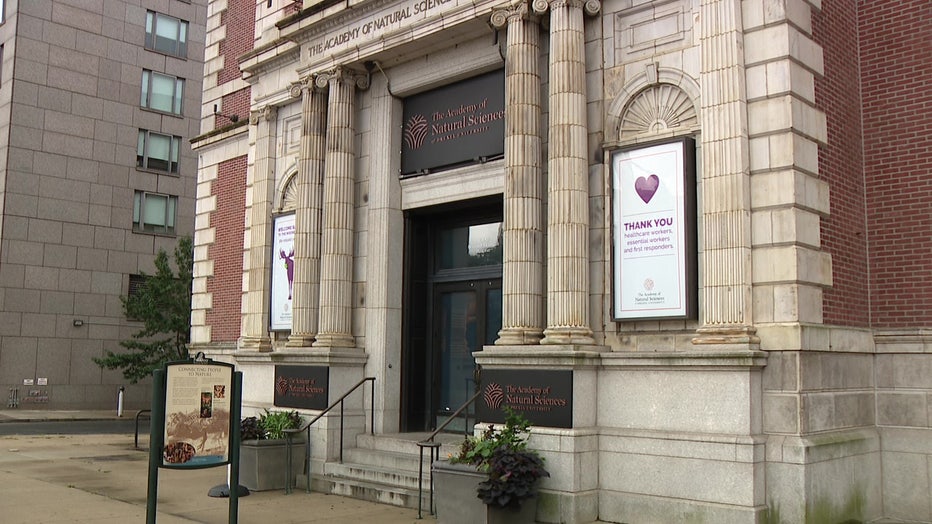
The museum's current building will close on September 30, but Drexel officials say the Academy will keep focusing on its scientific mission and stewardship of its collections.
"The decision was not made lightly, and we join all of you in recognizing that this is a loss for Philadelphia and the region," said Antonio Merlo, President of Drexel University, and Suzanne Biemiller, Chair of the Board of Trustees.
The Academy holds more than 19 million biological specimens, fossils, archives and other resources.
Drexel and Academy leadership say the cost of operating the museum has increased while attendance has declined, a trend described as a lasting effect of the COVID-19 pandemic. After considering different options, officials determined closing the museum is needed to prioritize research and maintenance of the collection.
Timeline:
- 1812: Academy founded by seven naturalists.
- 1828: Museum opens to the public.
- 2011: The Academy and Drexel University become affiliated.
- September 30, 2026: Museum scheduled to close its doors.
Decision process and leadership changes
The backstory:
Drexel and Academy leaders undertook several efforts to find a sustainable model for the institution’s three main missions: research, education and public engagement.
"That work has intensified in recent months," according to the statement by Merlo and Biemiller. Investments were made in new galleries, exhibitions and programs, but "patterns of visitation and audience behavior changed in lasting ways, while the costs of operating the museum continued to rise," said Drexel officials.
They said these changes created a financial strain that could impact the Academy's ability to carry out its broader mission.
After a review of options, leaders concluded that holding on to the current model would threaten the resources required for research and preservation. The closure is described as "just the first step in the larger project of building a sustainable future for the Academy."
What's next:
Officials say the Academy will focus on research, education and providing some access to its scientific collections through new forms of engagement. The leadership transition includes Scott Cooper stepping down as president and CEO, with a new leadership structure to be determined. "Drexel leadership and the Academy’s board will continue working together to identify an appropriate governance structure and interim and permanent leadership for the Academy," according to the press release.
Public updates will be shared as future plans develop.
What we don't know:
Leaders have not announced how or when the public will be able to access the collections in the future. It is also unclear what alternative venues or methods for public engagement will be developed and when a new leadership structure will be finalized.
The Source: Information from an official press release, including statements from Antonio Merlo, President of Drexel University, and Suzanne Biemiller, Chair of the Academy Board of Trustees.