

The invasive insects and rodents of greatest concern in PA, NJ for 2026: Pest control experts
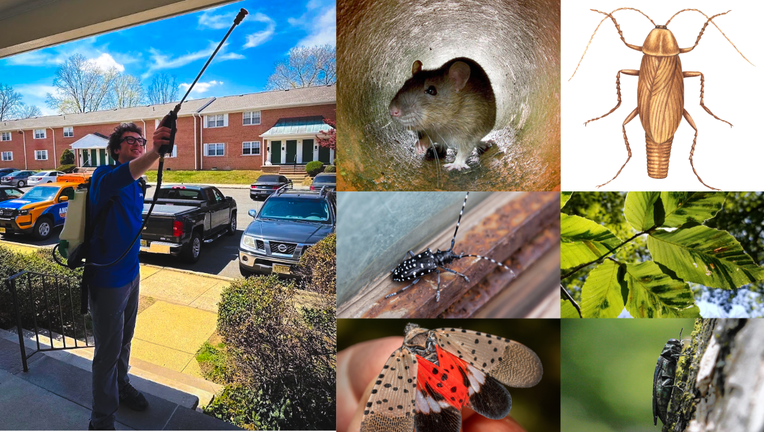
PHILADELPHIA - Pest control experts say several invasive species are posing ongoing challenges across Pennsylvania and New Jersey, with some able to spread quickly once introduced into homes and businesses.
What we know:
Human movement and favorable environmental conditions are major drivers behind the spread of invasive pests, according to James Haidacher, vice president of Anchor Pest Control in New Jersey and Pennsylvania.
In high-density areas, pests can be transferred through travel, deliveries and moving items between homes and businesses. Construction can also displace pests, pushing rodents and insects into new areas where they can establish quickly.
Once pests find food and shelter, populations can grow rapidly. Species like German cockroaches and bed bugs are often introduced through personal belongings and can escalate into serious infestations in a short time.
Why prevention matters
Experts say early detection is critical when dealing with invasive pests.
"Just like with medical conditions, early detection is critical," Haidacher said. Once an infestation becomes established, especially with pests like German cockroaches or bed bugs, elimination can require multiple treatments and a longer timeline.
Proactive monitoring allows homeowners and businesses to catch problems early before they become more costly and difficult to control.
How pest control strategies are evolving
Integrated Pest Management (IPM) is one of the primary strategies used to control invasive species.
This approach focuses on long-term prevention through inspections, sanitation and targeted treatments. It also includes sealing entry points, reducing moisture and clutter, and using pest-proof materials to keep insects and rodents out.
The goal is not just to eliminate visible pests, but to create conditions where they cannot thrive or return.
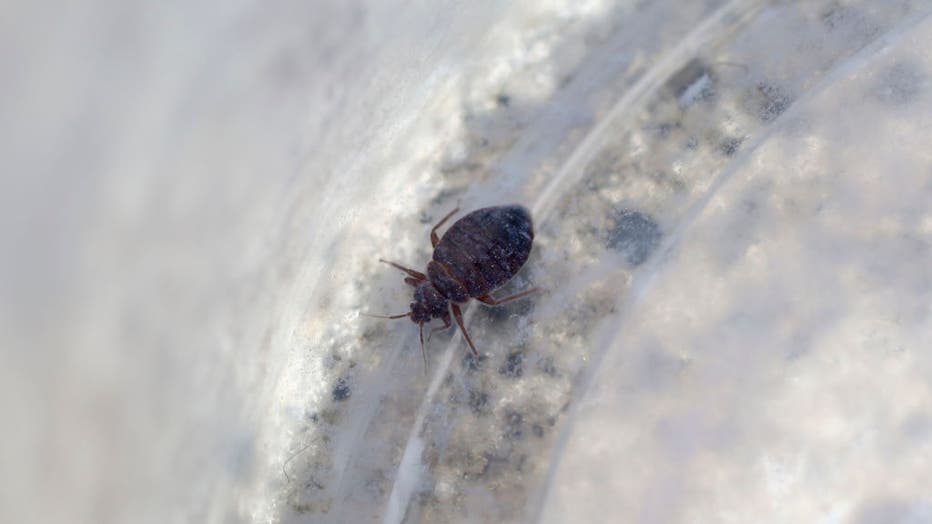
FILE - This photograph shows a bed bug in an apartment in Hong Kong on May 26, 2017. (Photo by Edward Wong/South China Morning Post via Getty Images)
Which invasive species are a concern
Experts say several pests are expected to remain major concerns in 2026, especially in urban and high-density areas.
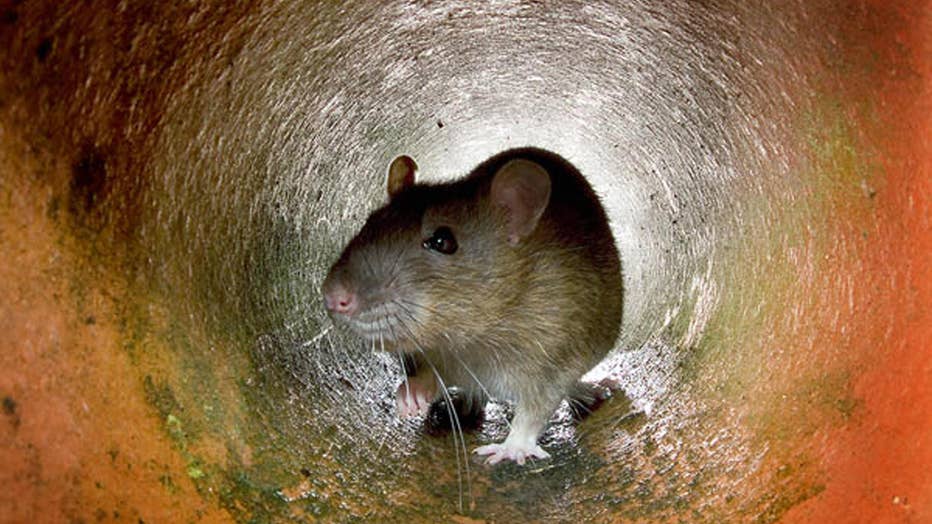
Rodents, including mice and rats, along with German cockroaches and bed bugs, are among the most persistent threats.
State officials in Pennsylvania also track a wide range of invasive insects that pose risks to agriculture and ecosystems, including species like the spotted lanternfly, emerald ash borer and Japanese beetle.
Some species are already widespread and difficult to eliminate, while others are being closely monitored or targeted for containment.
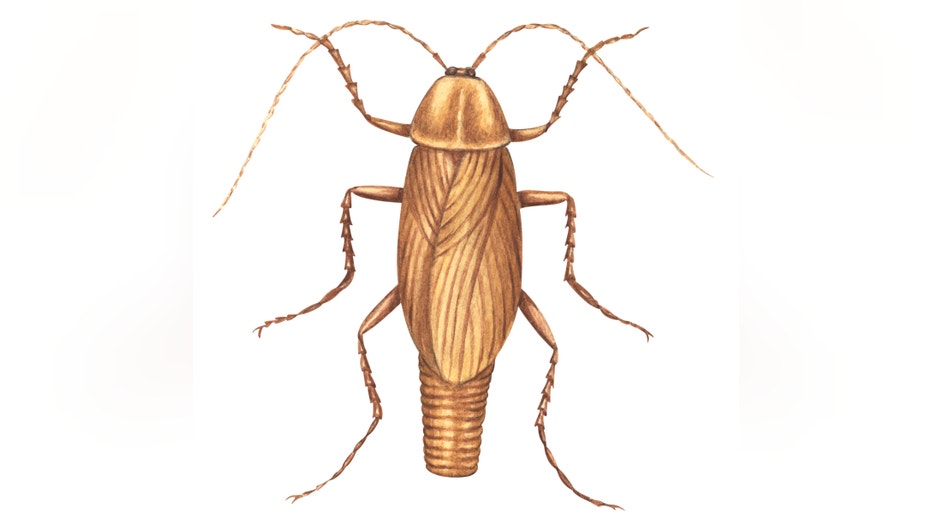
German Cockroach, German Cockroach (Blattella Germanica). (Photo By Encyclopaedia Britannica/UIG Via Getty Images)
Invasive insects of greatest concern in Pennsylvania and New Jersey
According to the Pennsylvania Department of Agriculture, these are among the invasive insect species being tracked, grouped by threat level :
Tier 1: Early detection / prevention (highest concern)
- Spotted-wing drosophila
- Asian garden beetle
- Giant hornet
- Asian longhorned beetle
- Crape myrtle bark scale
- European fire ant
- Kudzu bug
- Red imported fire ant
- Spruce longhorned beetle
- Winter moth
- European cherry fruit fly
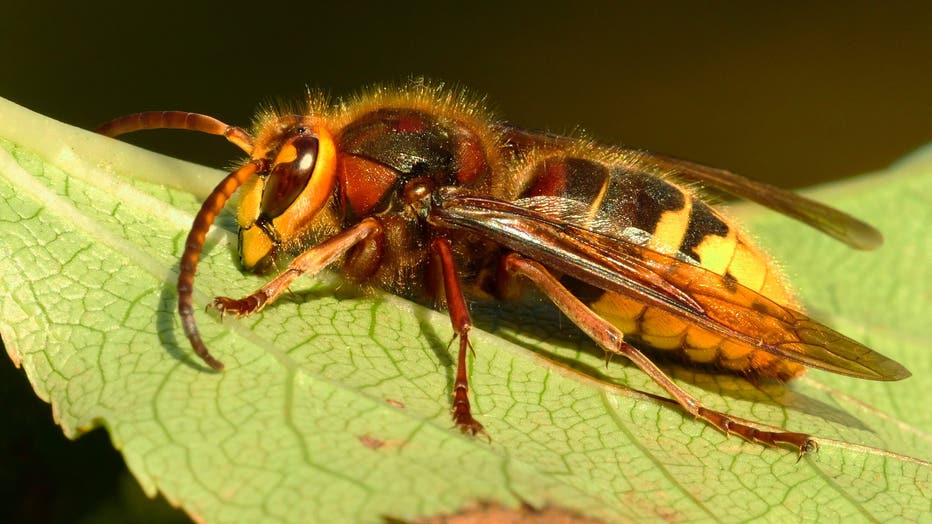
16 October 2024, Schleswig-Holstein, Luebeck: A hornet (Vespa crabro), also known as the European hornet, sits on a leaf. Hornets belong to the family of wasps and feed mainly on other insects. Their dangerousness and the toxicity of their stings hav
Tier 2: Eradication (limited populations)
- Box tree moth
Tier 3: Containment (spreading species)
- Allium leaf miner
- Cherry curculio
- Elm zigzag sawfly
- Fall armyworm
- Lily leaf beetle
- Sirex woodwasp
- Spotted lanternfly
- Viburnum leaf beetle
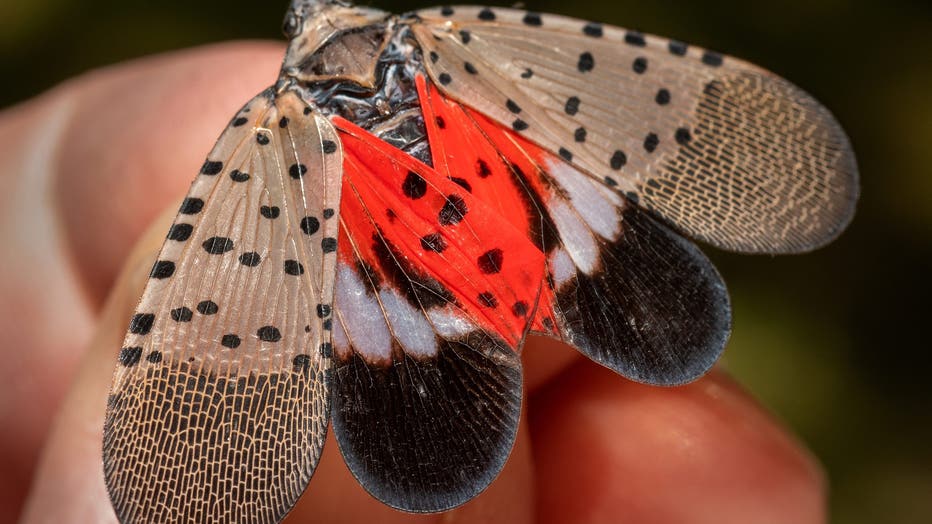
Vince Burkle, of the Indiana Department of Natural Resources, holds an adult spotted lanternfly found in Huntington, Indiana, on Aug. 17, 2022. (Andy Lavalley/Post-Tribune/Tribune News Service via Getty Images)
Tier 4: Local control (established species)
- Balsam woolly adelgid
- Brown marmorated stink bug
- Elongate hemlock scale
- Emerald ash borer
- Introduced pine sawfly
- Japanese beetle
- Spongy moth
- Hemlock woolly adelgid
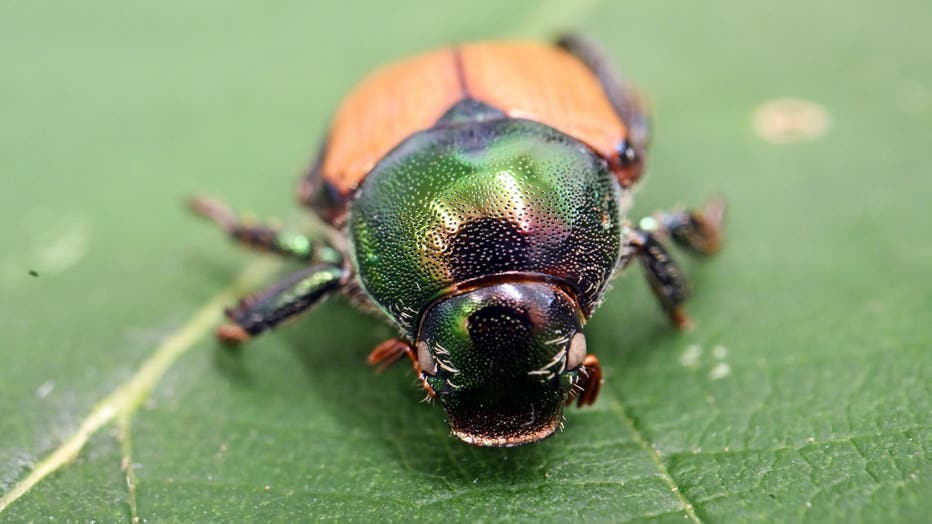
01 August 2025, Baden-Württemberg, Karlsruhe: A prepared Japanese beetle (Popillia japonica) is on display at the Agricultural Technology Center Augustenberg (LTZ). Photo: Uli Deck/dpa (Photo by Uli Deck/picture alliance via Getty Images)
What you can do:
Experts say awareness is one of the most important tools for preventing infestations.
Homeowners and businesses should watch for early warning signs such as droppings, unusual activity or visible damage. Addressing issues early can prevent a minor problem from turning into a long-term infestation.
Simple steps like inspecting belongings, maintaining clean spaces and sealing entry points can significantly reduce the risk.
AFP PHOTO (Photo credit should read /AFP via Getty Images)
Big picture view:
As population density increases and travel continues to connect regions, invasive pests are expected to remain an ongoing challenge across Pennsylvania and New Jersey.
Experts say staying proactive — rather than reactive — will be key to managing the growing threat.
The Source: This article was written using information from the Pennsylvania Department of Agriculture and interviews with Anchor Pest Control.