

California to rename César Chávez Day as Farmworkers Day following sex allegations
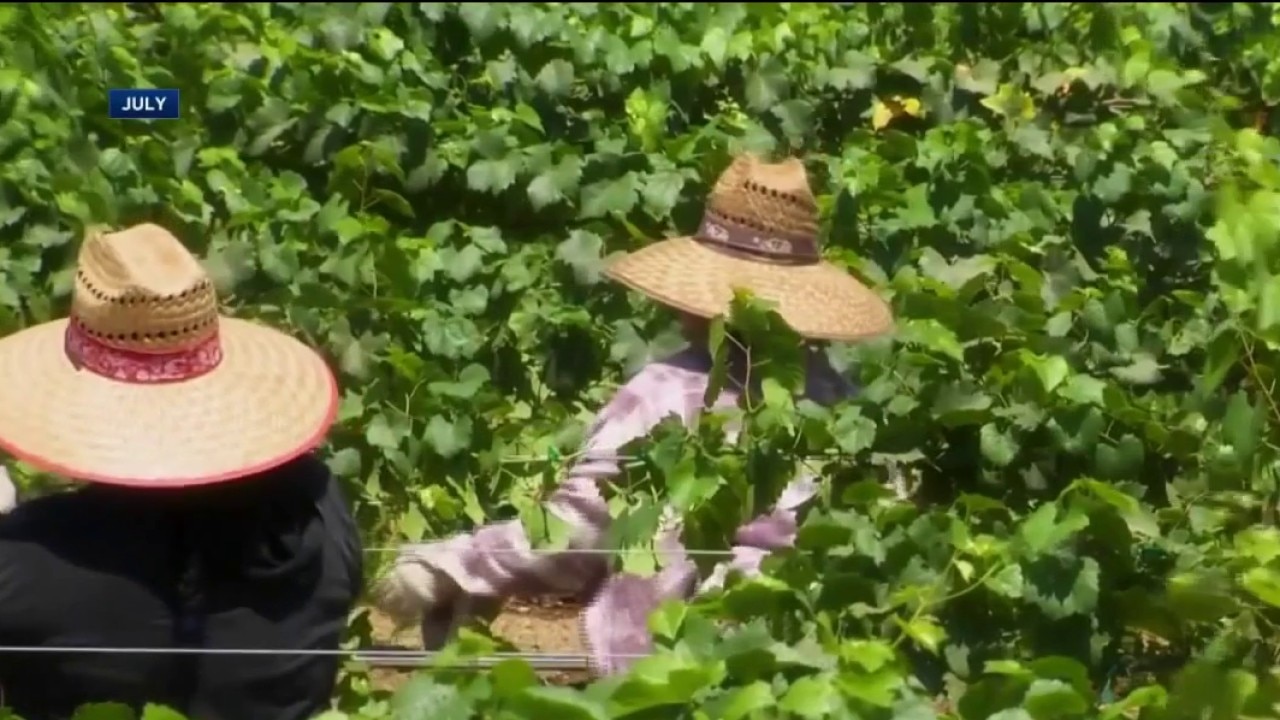
California to rename César Chávez Day
California legislators announced Thursday they intend to rename César Chávez Day as Farmworkers Day in light of sexual abuse allegations against the Latino civil rights leader.
SACRAMENTO, Calif. - California legislators announced Thursday they intend to rename César Chávez Day as Farmworkers Day in light of sexual abuse allegations against the Latino civil rights leader.
Assembly Speaker Robert Rivas and Senate President pro Tempore Monique Limón, the leaders of the California Legislature, said they would pass a bill renaming the holiday Farmworkers Day before the end of the month.
The legislation would need Gov. Gavin Newsom’s approval.
He said Wednesday he was open to changing the name of the holiday but made no commitment.
California was the first state to designate Chavez’s birthday as a day to honor the civil rights leader nearly 30 years ago. In 2000, the Legislature passed a bill to make it an official paid day off for state employees and require the state to start teaching students about his legacy and involvement in the labor movement in California.
A New York Times investigation released this week detailed allegations of sexual abuse by Chavez, saying he sexually assaulted fellow activist Dolores Huerta, along with at least two other young girls.
Chavez died in 1993 at the age of 66.
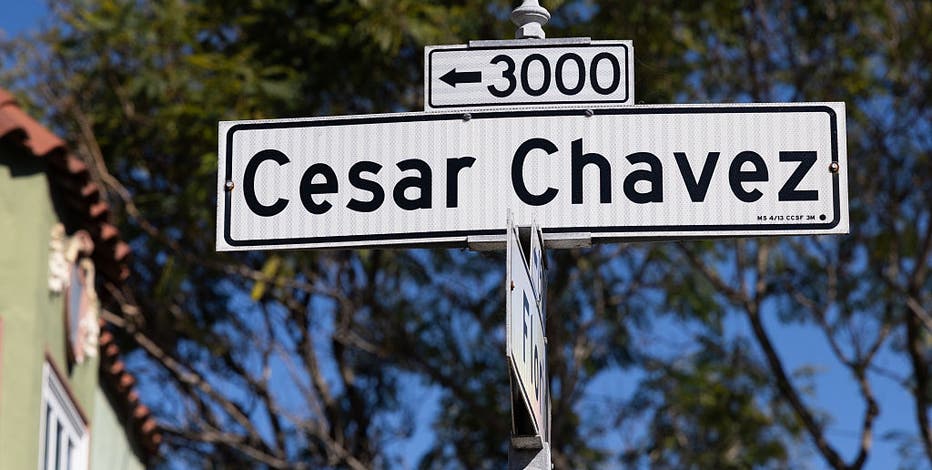
Bay Area places named for César Chávez in the spotlight as abuse allegations surface
The late activist’s name adorns several streets, parks, schools, libraries and other sites in cities all across the Bay Area.
What Dolores Huerta is saying
The backstory:
Huerta told the Times that Chávez drove her to a grape field in Delano, Calif., in 1966, when he was 36 years old, and raped her. She said she even has two children from him. She hasn't spoken publicly until now.
In 2002, she founded the Dolores Huerta Foundation in Bakersfield, Calif.
"I am nearly 96 years old, and for the last 60 years have kept a secret because I believed that exposing the truth would hurt the farmworker movement I have spent my entire life fighting for," her statement said.
She said she has always "encouraged people to always use their voice."
And now, following the New York Times’ multi-year investigation into Chávez's sexual misconduct, she said: "I can no longer stay silent and must share my own experiences."
She described as a young mother in the 1960s, she experienced two separate sexual encounters with Chávez.
Featured
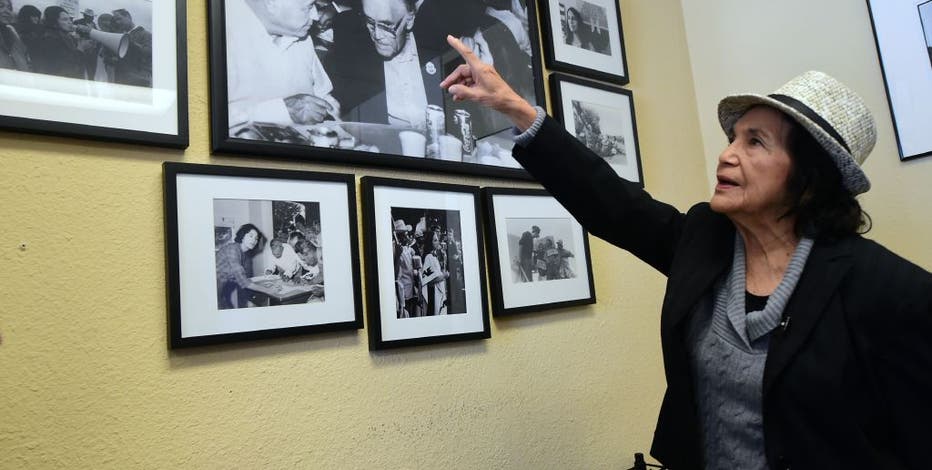
"The first time I was manipulated and pressured into having sex with him, and I didn’t feel I could say no because he was someone that I admired, my boss and the leader of the movement I had already devoted years of my life to," she wrote.
The second time, she said she was "forced, against my will, and in an environment where I felt trapped," referring to the time in the grape field.
Huerta said she had experienced abuse and sexual violence before, and she convinced herself these were incidents that she had to "endure alone and in secret."
Both sexual encounters with Chávez led to pregnancies, Huerta said.
"I chose to keep my pregnancies secret and, after the children were born, I arranged for them to be raised by other families that could give them stable lives," she wrote.
Over the years, she said she began developing a deep relationship with these children, who are now close to her other children.
But even then, no one knew the full truth about how they were conceived until just a few weeks ago, she said.
"I carried this secret for as long as I did because building the movement and securing farmworker rights was my life’s work," Huerta explained.
What was really important to her at the time, Huerta said, was forming a union for farmworkers – not making allegations against an icon in an era when a woman's story was often disbelieved.
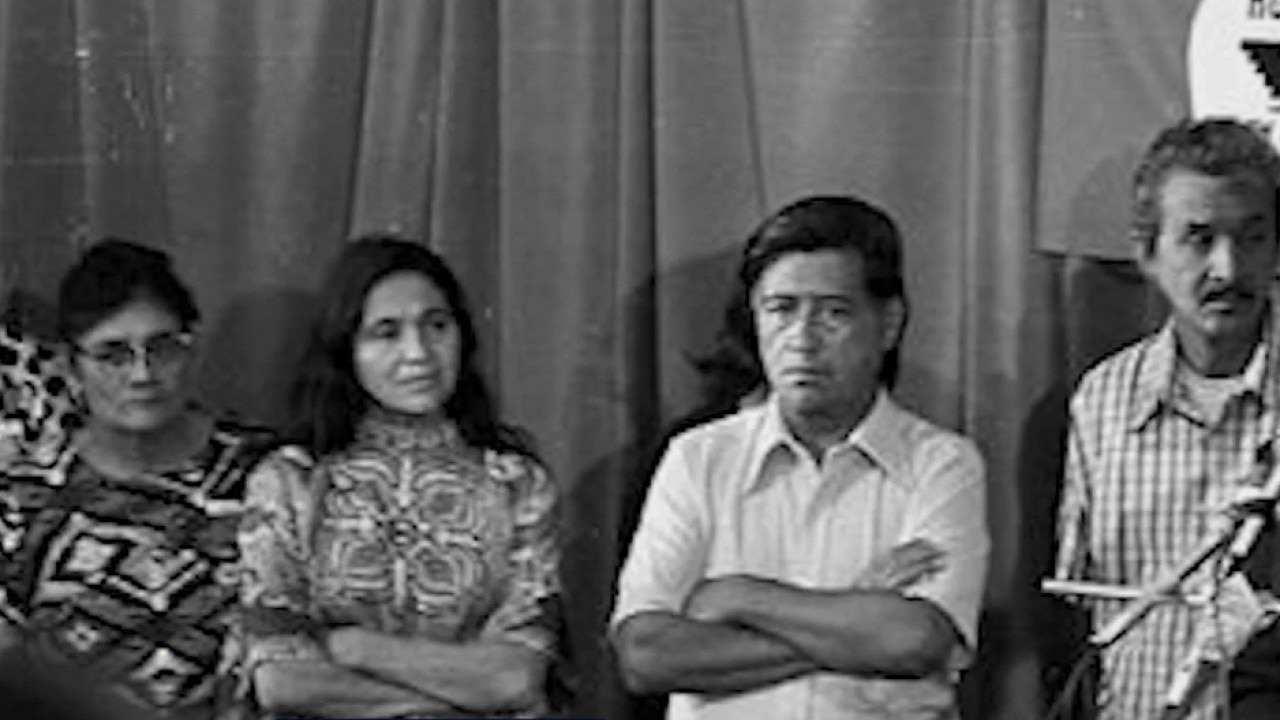
Cesar Chavez legacy reexamined
Matt Garcia, professor Latino studies at Dartmouth College, expands on allegations that Cesar Chavez, the United Farm Workers co-founder groomed and sexually abused girls who worked in the movement.
Chavez's family ‘shocked and saddened’
In a statement, Chávez's family on Wednesday wrote that they are "shocked and saddened" to learn their father was engaged in this sexual activity nearly 50 years ago.
"As a family steeped in the values of equity and justice, we honor the voices of those who feel unheard and who report sexual abuse," the statement read. "This is deeply painful to our family. As family members, we also carry our own memories of the person we knew. Someone whose life included work and contributions that matter deeply to many people."
For years, Huerta has been Chávez's most public and well-known supporter. The two of them, along with Gilbert Padilla, founded the National Farm Workers Association in 1962, which later became the United Farm Workers labor union, representing farmworkers in San Joaquin Valley.
The Associated Press contributed to this report.
The Source: Dolores Huerta, New York Times investigation and the Associated Press.