

Iran warns $200 oil barrels are coming: report

Iran warns it will block oil from Strait of Hormuz
Defense Secretary Pete Hegseth recently said during a news briefing that this Tuesday would be the most intense day yet of U.S. strikes inside Iran. This comes despite President Donald Trump saying on Monday that the "excursion" in Iran will be "short-term" after he laid out plans to implement oil-related sanctions to alleviate price hikes. Rosemary Kelanic, director of the Middle East Program at Defense Priorities, is speaking with LiveNOW's Andy Mac and discusses the potential military capabilities the United States could still use against Iran.
Oil prices continue to fluctuate as the war in Iran enters its second week.
A spokesperson for Iran's military command reportedly warned the world to "get ready" for oil to be $200 a barrel, which would mean an even greater spike in gas prices across the U.S.
Here’s what to know:
Oil prices fluctuating
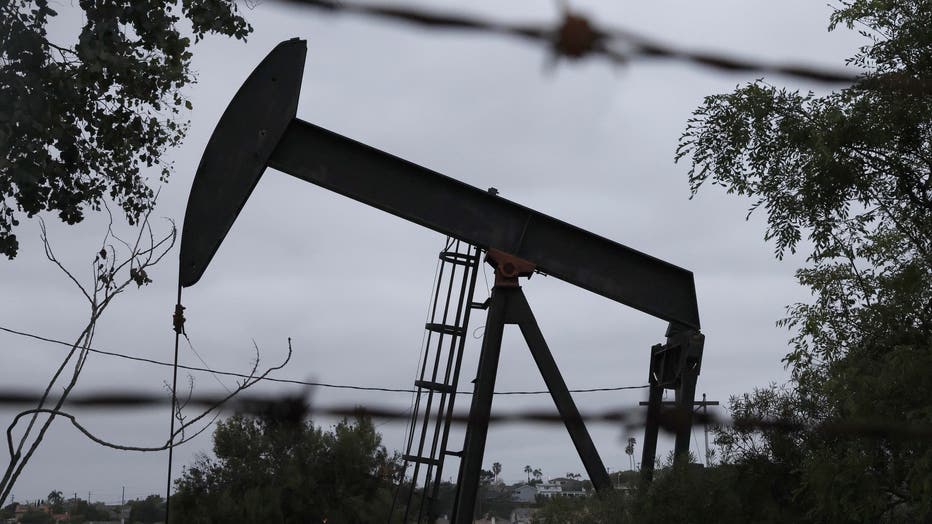
FILE - An oil pumpjack operates in the Inglewood Oil Field on March 10, 2026 near Los Angeles, California. A barrel of oil passed the $100 mark yesterday amid the war in Iran for the first time since the Russian invasion of Ukraine in 2022. (Photo by
What they're saying:
"Get ready for oil to be $200 a barrel, because the oil price depends on regional security which you have destabilised," Ebrahim Zolfaqari, spokesperson for Iran's military command said in comments addressed to the United States, according to Reuters.
RELATED: About 140 US troops injured in Iran so far, officials say
For context:
The price for a barrel of Brent crude, the international standard, was just under $91 at time of publication, according to OilPrice.com. West Texas Intermediate, the light, sweet crude oil produced in the United States, was selling for just under $86 a barrel.
Those prices were down from a recent peak of more than $100 per barrel, a first in more than three and a half years. The highest price shot up briefly to nearly $120 a barrel on Monday – about 65% higher than when the war started, according to The Associated Press.
Why you should care:
If oil reached $200 per barrel, gas prices would likely surge. Some analysts predict $200 oil would increase average gas prices in the U.S. to higher than $5 a gallon.
As of publication, the national regular fuel price in America, according to AAA, was $3.57 per gallon.
RELATED: Trump says 'excursion' in Iran will be 'short-term'
Why are gas prices going up?
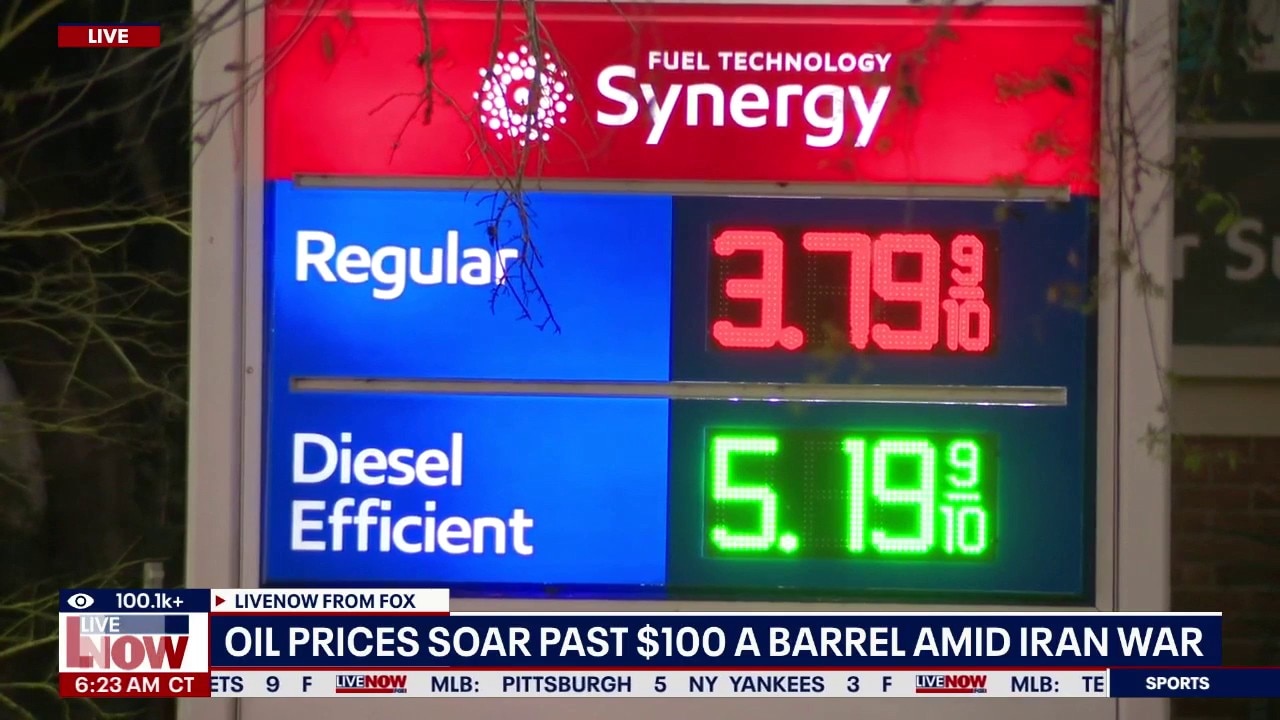
Oil prices swing wildly amid Iran war
The widening Iran war has upended oil production and shipping across the Middle East, straining energy supplies worldwide. Those disruptions caused oil to spike Monday, only for it to swiftly fall back after President Donald Trump suggested the war could be near an end.
Big picture view:
The war in Iran, which began on Feb. 28 with U.S. and Israeli attacks, is hindering oil production and shipping in the region.
The shipping disruption and damage to key Middle East oil and gas facilities has interrupted supplies from some of the world’s largest oil producers.
Dig deeper:
Iran has also threatened to not allow "even a single liter of oil" for the U.S., Israel, or their allies to pass through the Strait of Hormuz, the narrow channel that leads to the Persian Gulf.
Under normal circumstances, around 20% of the world’s oil and natural gas is shipped through there.
Emergency oil reserves
Meanwhile:
On Wednesday, the International Energy Agency agreed to release the largest volume of emergency oil reserves in its history - 400 million barrels.
IEA nations have released emergency stocks on five previous occasions: During the 1990-1991 Gulf War, after Hurricane Katrina in 2005, during the Libyan civil war in 2011, and twice after the Russian invasion of Ukraine.
Local perspective:
Countries around the world hold vast quantities of oil that they can use in the event of a crisis, including the U.S., which holds a massive emergency supply — known as the Strategic Petroleum Reserve — in underground salt caverns in Texas and Louisiana.
Over the weekend, President Donald Trump downplayed the idea of turning to the Strategic Petroleum Reserve, saying supplies were ample and prices would soon fall.
The Source: Information in this article was taken from a comment made by the spokesperson for Iran's military command, as obtained by and reported on by Reuters. Additional information and background information was taken from AAA, OilPrice.com and The Associated Press.